- Shaft
- Molds&Tools
- Hydraulics And Pump
- Hair transplant needle
- Hydraulics And Pump
- Precision CNC Shaft Machining Manufacturer for High Performance Applications
- Energy Industry CNC Machining Parts Supplier
- Aerospace CNC Machining Parts Manufacturer
- Aerospace CNC Machining Parts Manufacturer
- Automotive & EV CNC Machining Parts Supplier for OEM and Tier 1
- Medical CNC Machining Parts Supplier for Precision Medical Devices

Advanced EDM and Wire Cutting for Hard and Brittle Materials: Engineering and Supply Chain Strategy for OEMs

Executive Summary
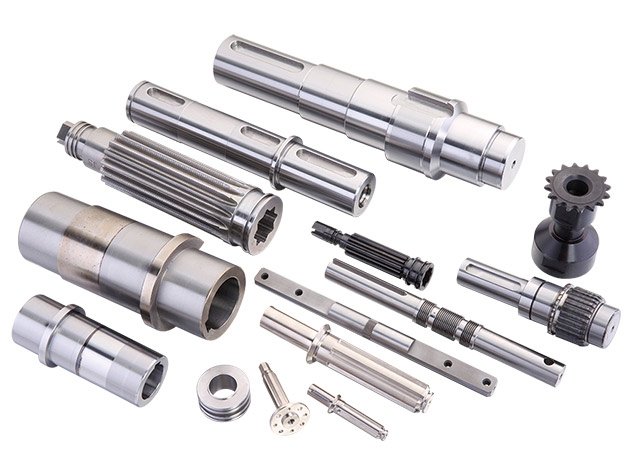
Hard and brittle materials are moving from specialty applications into mainstream engineered products. Aerospace actuators, medical devices, hydraulic valve systems, semiconductor tooling, carbide dies, ceramic fixtures, sapphire components, and high-wear pump assemblies increasingly rely on materials that resist heat, corrosion, abrasion, fatigue, and dimensional drift. The challenge is that the same properties that make these materials valuable in service also make them difficult to machine with conventional cutting tools.
Advanced electrical discharge machining, commonly known as EDM, and precision wire cutting solve a critical manufacturing problem for global OEMs and Tier 1 suppliers: how to create accurate geometry in materials that are too hard, too fragile, too heat resistant, or too wear resistant for traditional milling and turning alone. By using controlled electrical discharges rather than mechanical cutting force, EDM enables slotting, profiling, micro-features, sharp internal corners, thin walls, miniature holes, carbide inserts, ceramic assemblies with conductive layers, and complex hardened parts that would otherwise carry high tooling cost or high scrap risk.
For supply chain leaders, EDM is not only a machining process. It is a sourcing strategy. The right partner must combine process engineering, fixture design, electrode planning, CNC finishing, precision grinding, inspection discipline, material traceability, and production scheduling. At IndustryApex Technology, operating as IndustryApex CNC, we position EDM and wire cutting inside a fully controlled precision manufacturing system, supporting customers who need repeatable parts, documented quality, and a supplier capable of moving from prototype validation to stable production.
This article examines the technical foundations of EDM and wire cutting for hard and brittle materials, then connects those capabilities to procurement risk, ODM collaboration, and application-specific performance in aerospace, medical, fluid control, tooling, ceramics, and advanced industrial equipment.
Technical Deep Dive
EDM removes material through a series of precisely controlled electrical sparks between an electrode and a conductive workpiece. The electrode never applies cutting pressure in the same way as a carbide end mill or grinding wheel. Instead, the discharge generates localized heat that melts and vaporizes microscopic volumes of material. A dielectric fluid cools the cutting zone, flushes away particles, and helps stabilize the spark gap. This non-contact mechanism is the core reason EDM is valuable for hard and brittle components.
In wire EDM, a continuously fed wire acts as the electrode. The wire follows a programmed path to cut profiles, slots, tapers, punches, dies, and precision contours. Because the wire is constantly renewed, the process can hold tight accuracy over long cutting cycles, even in hardened tool steels, tungsten carbide, nickel alloys, titanium, and other difficult materials. Sinker EDM, by contrast, uses a shaped electrode to burn cavities, ribs, blind features, internal radii, and mold details. Small-hole EDM is used to produce starter holes, cooling holes, oil passages, and micro-orifices where conventional drilling is risky or impossible.
Hard materials such as tungsten carbide, hardened stainless steel, Inconel, titanium alloys, and powder metallurgy steels are often selected for high load, high temperature, and high wear environments. Conventional machining may require low feed rates, frequent tool replacement, special coatings, and extensive deburring. EDM reduces mechanical stress on the workpiece and allows engineers to prioritize function-driven geometry instead of designing around cutter limitations. This is especially important for thin sections, intricate slots, delicate webs, and precision edges.
Brittle materials require a more nuanced discussion. EDM requires electrical conductivity, so fully insulating ceramics cannot be machined by standard EDM unless they are modified, paired with conductive phases, metallized, or processed through hybrid manufacturing routes. However, many advanced hard-and-brittle systems used in industry include conductive composites, carbide ceramics, graphite, siliconized structures, or metal-ceramic assemblies. For insulating industrial ceramics, EDM may be combined with precision grinding, laser processing, ultrasonic machining, or diamond tooling. This is why supplier capability matters: the best solution is not always one process, but a coordinated route that protects geometry, surface integrity, cost, and lead time.
Surface integrity is a central engineering consideration. EDM produces a recast layer and heat-affected zone whose thickness depends on discharge energy, flushing, material, and finishing strategy. Roughing parameters prioritize removal rate; finishing parameters reduce spark energy to improve surface finish, dimensional control, and edge condition. For aerospace and medical components, the EDM process plan must account for fatigue performance, corrosion behavior, cleaning requirements, and post-process inspection. Secondary operations such as polishing, lapping, passivation, grinding, or stress-relief may be needed depending on the material and end use.
Wire selection, dielectric control, machine stability, flushing pressure, thermal compensation, and fixture rigidity all influence accuracy. Brass wire, coated wire, and specialty wire types may be chosen according to cutting speed, straightness, taper accuracy, and surface finish requirements. For small precision parts, fixture design is often as important as the CNC program. A workpiece that shifts by a few microns during final skim cuts can produce nonconforming geometry even when the machine itself is highly capable.
Modern EDM manufacturing is also data-driven. A mature factory controls work instructions, electrode wear offsets, machine maintenance, inspection records, revision status, and lot traceability. This is critical when parts must be repeated over multiple purchase orders, not merely produced once for a prototype. For OEM sourcing teams, the technical question should not be only whether a supplier owns EDM equipment. The better question is whether the supplier can integrate EDM with upstream design review and downstream quality assurance.
The ODM & Supply Chain Advantage
For global OEM and Tier 1 suppliers, hard-material components often sit at the intersection of engineering risk and supply chain risk. A design may be technically sound but difficult to source consistently. A prototype shop may produce a successful sample but lack the ERP discipline, process documentation, fixture repeatability, or capacity planning required for production. A low-cost supplier may quote aggressively but create hidden cost through rework, late delivery, inconsistent inspection, or poor communication during engineering changes.
IndustryApex Technology’s value proposition is built around a different model: we operate as a supply chain integrator and ODM solution provider, not simply as a single-process machine shop. Through IndustryApex CNC, we support customers from manufacturability review through material sourcing, process planning, machining, EDM, precision grinding, surface finishing coordination, inspection, packaging, and export delivery. This integrated approach is especially useful when the part requires multiple operations and tight control across the full route.
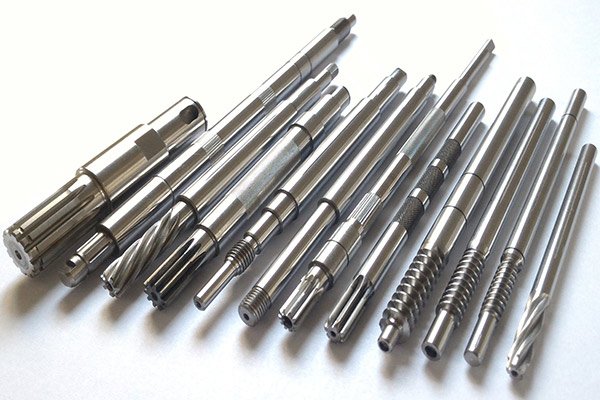
Our manufacturing edge comes from more than equipment. IndustryApex Technology has over 30 years of manufacturing experience and a fully controlled precision manufacturing system supported by ERP management. ERP discipline matters because complex parts require coordinated control of purchase materials, process schedules, inspection stages, revision levels, certificates, and shipment commitments. When EDM is part of a multi-step workflow, uncontrolled scheduling can quickly create bottlenecks. Controlled routing helps protect delivery and quality.
Our technical capabilities include 3-axis to 5-axis CNC machining, EDM, wire cutting, precision grinding, and industrial ceramics processing. This combination is important for hard and brittle materials because the best production route may require rough CNC machining, heat treatment, wire EDM profiling, grinding to final tolerance, EDM detail features, and final inspection. In some ceramic or composite applications, the route may involve ceramic forming, grinding, lapping, metallized interfaces, or integration with metal components. A supplier with only one process may force the design into an inefficient path; a multi-process ODM partner can recommend a route that balances tolerance, cost, durability, and production repeatability.
For procurement teams, the advantage is also commercial. Consolidating complex part families with a capable ODM partner can reduce supplier fragmentation, simplify communication, and improve accountability. Instead of managing separate vendors for CNC machining, EDM, grinding, ceramic components, inspection, and export packaging, OEMs can work with one technical interface responsible for the complete result. That reduces transaction cost and makes engineering feedback faster.
Design-for-manufacturing collaboration is particularly valuable in EDM applications. Small changes to corner radius, relief geometry, material thickness, datum strategy, or tolerance allocation can significantly reduce cycle time and scrap risk. For example, a sharp internal corner may be possible by EDM, but it may also increase electrode cost or require additional skim passes. A tolerance that is critical on a sealing diameter may not be equally critical on a clearance slot. Early communication allows the supplier and OEM engineering team to preserve function while improving manufacturability.
IndustryApex Technology supports customers who require precision components for demanding industries, including aerospace CNC machining and aircraft structural components, medical components, titanium implants, and surgical instruments, and hydraulic pump parts and fluid-control components. Across these sectors, customers need more than a quote. They need evidence that the supplier can translate requirements into a stable manufacturing process.
Industry Applications
In aerospace, EDM and wire cutting are used for titanium parts, nickel alloy features, high-strength steel components, actuator parts, fuel-system features, turbine-related tooling, and lightweight structural elements. Aerospace buyers care about traceability, repeatability, burr control, fatigue-sensitive surfaces, and documentation. EDM can produce geometries that would be difficult to mill after heat treatment, but process planning must manage recast layers, edge condition, and post-process cleaning.
In medical manufacturing, the need for miniature, high-precision, biocompatible, and cleanable geometry makes EDM highly relevant. Surgical instruments, implant-related tooling, micro slots, delicate stainless steel features, titanium components, and device parts may benefit from low-force machining. However, medical applications often require careful surface finishing, contamination control, passivation, and inspection. A supplier must understand that dimensional accuracy is only one part of the acceptance criteria.
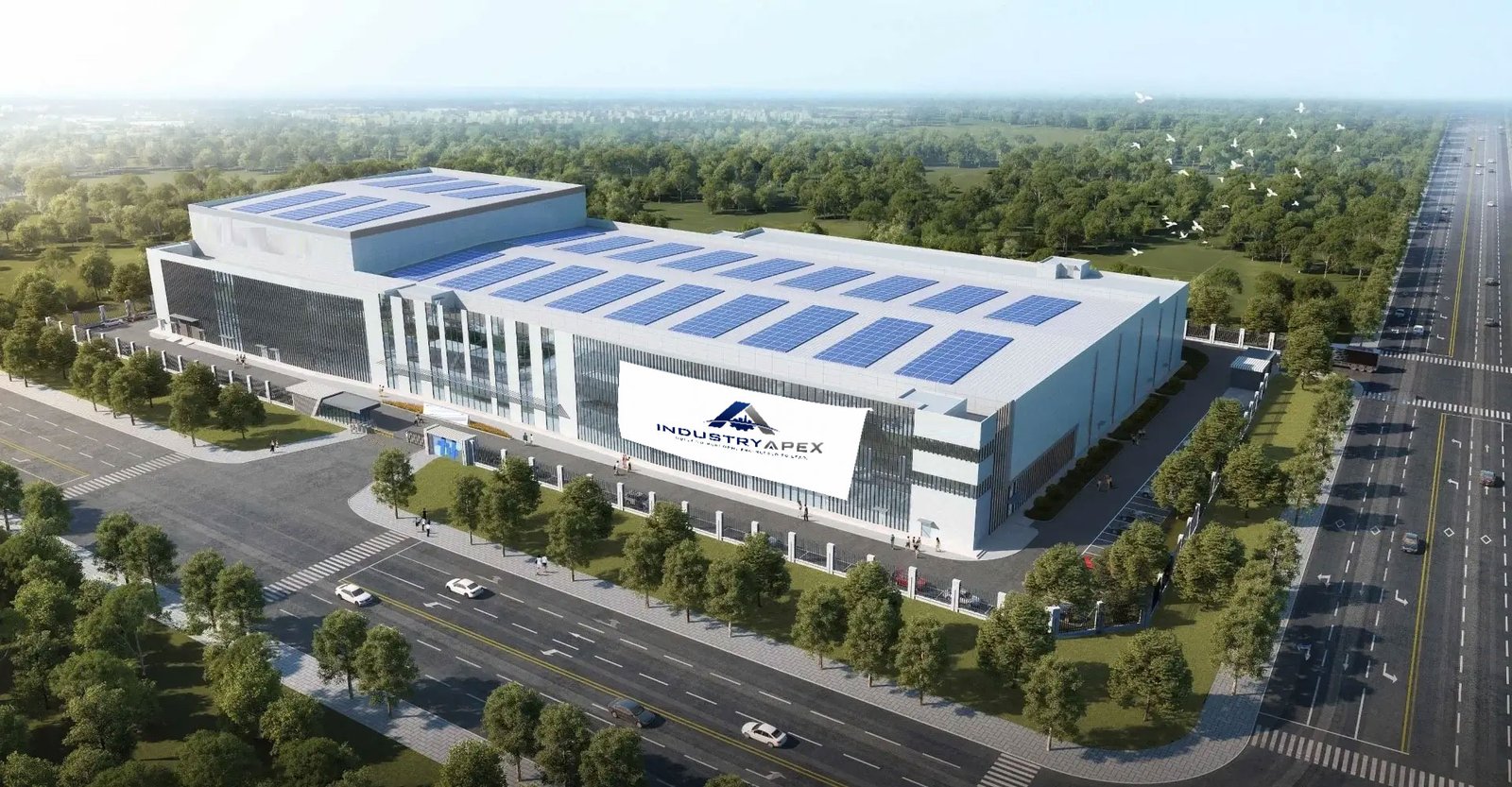
In hydraulic and pump systems, EDM can support valve spools, sleeves, metering slots, wear-resistant inserts, and precision flow-control geometry. These components often operate under pressure, friction, and contamination exposure. Tight clearances and surface finish influence leakage, response time, efficiency, and service life. Wire EDM and grinding can work together to create precise lands, slots, and matching features that support stable fluid performance.
In tooling, mold, die, and carbide applications, EDM is often essential. Tungsten carbide dies, cold heading tooling, extrusion features, stamping punches, precision mold inserts, and wear plates require hard materials with complex geometry. EDM enables production after heat treatment and allows intricate shapes without excessive tool wear. Wire EDM is especially valuable for punches and dies where profile accuracy and edge consistency drive downstream forming quality.
In industrial ceramics and advanced materials, the manufacturing route depends on the material’s conductivity, grain structure, hardness, and final application. Alumina, zirconia, silicon nitride, silicon carbide, sapphire, ruby, and ceramic-metal composites each behave differently. Some require diamond grinding and lapping; some conductive composites can be EDM processed; some require hybrid approaches. A capable supplier should evaluate the material system before promising a process. This is where an ODM mindset protects the customer: the goal is not to sell EDM for every material, but to choose the process chain that creates the right part reliably.
In semiconductor, optics, and precision automation equipment, hard and brittle components often require clean edges, stable dimensions, low particle generation, and excellent wear resistance. Components may include ceramic guides, carbide supports, sapphire or ruby wear parts, vacuum fixtures, precision alignment features, and micro-machined tooling. These parts are not always large, but they can be mission-critical. A small deviation in flatness, parallelism, or edge quality can affect machine uptime and product yield.
Across all these industries, the common thread is risk reduction. EDM and wire cutting give engineers freedom to use stronger, harder, and more stable materials, but successful sourcing requires a partner with process depth. The cheapest quote is rarely the best answer when a hard-material part affects aircraft safety, surgical performance, hydraulic reliability, die life, or equipment uptime.
Call to Action
Advanced EDM and wire cutting are most powerful when they are integrated into a complete engineering and supply chain strategy. For hard and brittle materials, the winning approach combines material knowledge, process selection, fixture design, controlled machining, precision finishing, inspection discipline, and responsive engineering communication.
IndustryApex Technology, through IndustryApex CNC, supports global OEM and Tier 1 customers with ODM manufacturing solutions for precision components in demanding industries. If your team is developing carbide tooling, ceramic assemblies, aerospace parts, medical device components, hydraulic valve features, pump parts, or high-precision industrial hardware, our engineering team can review drawings, evaluate manufacturability, and recommend a production route that balances performance, cost, and lead time.
To discuss your project, visit Contact Us and share your drawings, material requirements, annual volume, tolerance priorities, and quality documentation needs. The earlier we participate in the engineering conversation, the more value we can create in manufacturability, reliability, and supply chain stability.