
- Shaft
- Molds&Tools
- Hydraulics And Pump
- Hair transplant needle
- Hydraulics And Pump
- Precision CNC Shaft Machining Manufacturer for High Performance Applications
- Energy Industry CNC Machining Parts Supplier
- Aerospace Structural Components for OEM Programs
- Aerospace Structural Components for OEM Programs
- Automotive & EV CNC Machining Parts Supplier for OEM and Tier 1
- Medical Device CNC Machining Services
Thin Wall CNC Turning Buyer Guide: What OEM Teams Should Evaluate

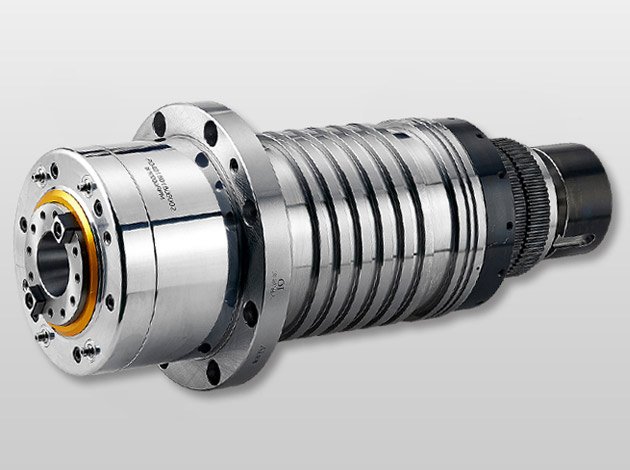
When sourcing thin wall CNC turning components—sleeves, bushings, hollow shafts with wall thickness under 3 mm—procurement teams face hidden risks that don’t appear on a supplier’s capability list. Deflection during machining, thermal distortion, and inconsistent batch concentricity can turn a qualified prototype into a mass-production failure. This thin wall CNC turning buyer guide walks OEM engineering and sourcing teams through the evidence-based criteria that separate capable suppliers from those who will struggle once production scales.
Key Answer
A qualified thin wall CNC turning supplier demonstrates controlled toolpath strategies to minimize radial cutting forces, maintains documented process parameters across batches, validates concentricity and wall thickness variation with CMM or air gauge inspection, and provides traceable setup records. Evaluate their fixturing methods, thermal management protocols, and whether they adjust feeds, speeds, and tool engagement based on real-time deflection behavior rather than standard turning recipes.
Why Standard Supplier Audits Miss Thin Wall Turning Risks
Most machine shop audits confirm ISO registration, measure lead times, and verify general turning capacity. But thin wall parts deflect under cutting forces that barely affect solid shafts. A lathe rated for ±0.01 mm on bulk components may deliver ±0.08 mm wall variation on a 1.5 mm wall because the supplier uses the same parameters across all turned parts.
According to Parkway Kew’s analysis of thin wall lathe techniques, parts with wall thickness below 2 mm require cutting depths under 0.3 mm and feeds reduced by 40–60% compared to solid bar stock to prevent chatter and elastic deformation during the cut. Suppliers who cannot articulate their deflection mitigation strategy—or who claim their standard turning process works for everything—are red flags.
When evaluating suppliers for precision shaft components with tight concentricity requirements, confirm they distinguish between solid and thin wall process planning at the quoting stage.
Critical Supplier Capabilities for Thin Wall CNC Turning
Fixturing and Work-Holding Strategy
Thin wall parts collapse under excessive clamping force. Capable suppliers use expanding mandrels, hydraulic chucks with controlled pressure, or custom soft jaws matched to the part geometry. Ask how they validate clamping force and whether they adjust it between roughing and finishing passes.
A supplier who cannot explain their work-holding approach for parts under 2 mm wall thickness is likely using standard three-jaw chucks, which concentrate stress and cause out-of-round distortion.
Toolpath and Cutting Parameter Control
Radial cutting forces must stay below the part’s elastic limit. This requires:
- Depth of cut under 0.5 mm, often 0.2–0.3 mm for walls under 1.5 mm
- High spindle speeds with reduced feed rates to maintain chip load without force spikes
- Sharp tooling with positive rake angles to reduce cutting pressure
- Constant surface speed programming to prevent force variation as diameter changes
Suppliers should provide documented parameter sheets for thin wall turning that differ from their standard turning recipes. If they cannot, their process is not optimized for deflection-sensitive parts.
Thermal Management and Coolant Delivery
Thin walls dissipate heat poorly, leading to thermal expansion during machining and contraction afterward. Through-spindle coolant at the tool-part interface stabilizes temperature and flushes chips before they re-cut and work-harden the surface.
Flood coolant alone is insufficient for walls under 2 mm. Confirm the supplier uses high-pressure through-tool delivery and monitors part temperature between passes on precision features.
Inspection Evidence and Process Validation
Wall thickness variation and concentricity are the two primary failure modes in thin wall turning. A qualified supplier provides:
- CMM or optical measurement reports showing radial runout and wall uniformity across multiple sections
- Air gauge or ultrasonic thickness verification for production parts, not just first articles
- SPC data demonstrating that wall thickness stays within tolerance across batch production, not just on prototype runs
Request sample inspection reports from similar parts. If they only offer basic caliper measurements or refuse to share batch consistency data, their process control is inadequate for volume production.

Comparing Thin Wall CNC Turning Supplier Options
| Evaluation Criterion | What to Verify | Red Flag |
|---|---|---|
| Fixturing approach | Expanding mandrels, controlled-pressure chucks, or custom soft jaws documented for thin wall parts | “We use standard three-jaw chucks for all turning” |
| Cutting parameters | Documented shallow depth of cut, reduced feeds, and controlled radial forces for walls under 3 mm | Same parameter set used for solid and thin wall parts |
| Coolant delivery | Through-spindle or high-pressure delivery at the cutting zone | Flood coolant only |
| Inspection protocol | CMM runout data, wall thickness variation measured at multiple sections, SPC for batch production | Basic caliper checks or first-article-only inspection |
| Process traceability | Setup sheets, tool lists, and parameter records linked to part serial or batch number | No documented traceability between process and output quality |
Material and Design Considerations in Supplier Selection
Thin wall behavior varies by material. Aluminum alloys deflect more easily but machine with lower cutting forces. Stainless steels work-harden and require interrupted cuts or peck turning to prevent runout. Hardened steels need ceramic or CBN tooling and extremely rigid setups.
A supplier capable of turning thin wall aluminum may lack the tooling or rigidity for stainless or hardened materials. Confirm their material-specific experience matches your application. For components requiring tight tolerances across diverse materials, review thin wall CNC turning tolerances and inspection practices that address material-specific challenges.
Design features also affect supplier suitability. Internal grooves, threads, or interrupted surfaces in thin wall sections increase deflection risk. If your part includes these, ask for sample parts with similar complexity, not just simple sleeves.
Volume, Lead Time, and Process Scalability
Prototype thin wall turning is easier than volume production. A supplier who delivers five acceptable prototypes may struggle at 500 units if their process relies on manual intervention or operator skill rather than documented, repeatable parameters.
Ask how they maintain consistency across batches:
- Are cutting tools changed on a schedule or based on wear inspection?
- Do they use tool offsets and real-time measurement to compensate for wear?
- Is there an ERP or MES system tracking setup parameters and linking them to inspection results?
Suppliers with ERP-controlled manufacturing systems can trace process drift and adjust before parts go out of tolerance. Those relying on operator memory cannot scale reliably.
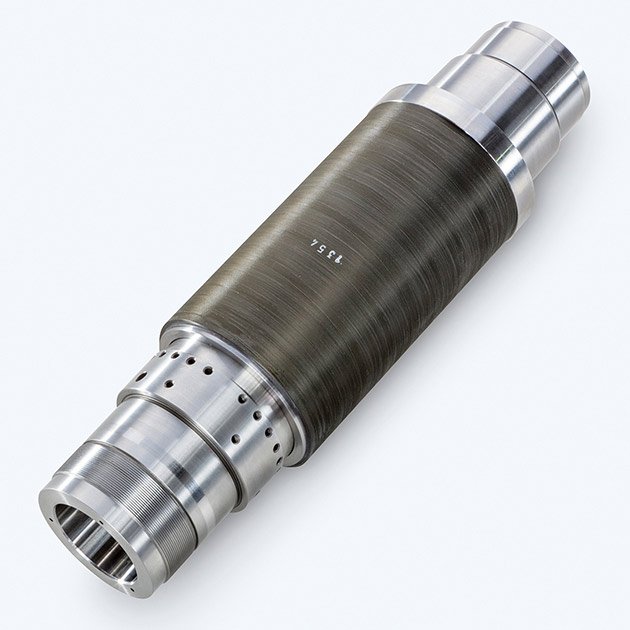
Thin Wall CNC Turning Supplier Evaluation Checklist
- Request sample inspection reports showing wall thickness variation and concentricity data from actual production runs, not just prototypes
- Confirm work-holding methods are specifically adapted for thin wall geometry, with documented clamping force limits
- Review documented cutting parameters showing reduced depth of cut and controlled radial forces for walls under 3 mm
- Verify through-spindle or high-pressure coolant delivery is standard for thin wall operations
- Check whether the supplier provides SPC data demonstrating batch-to-batch consistency in wall uniformity
- Ask how they manage thermal distortion and whether they allow stabilization time between roughing and finishing
- Confirm material-specific experience matches your application, especially for work-hardening or hardened materials
- Evaluate traceability: can they link setup records, tool data, and inspection results to individual parts or batches?
Moving from Shortlist to Supplier Qualification
Once you’ve narrowed options using these criteria, request a qualification run of 10–20 parts under production conditions, not one-off prototypes. Measure wall thickness at multiple sections, check concentricity, and assess surface finish consistency across the batch.
Compare inspection data between the first and last parts. If variation increases significantly, the supplier’s process drifts under volume conditions. A stable process shows minimal variation from part 1 to part 20.
For design optimization before production, consider integrating DFM review for thin wall CNC turning into your supplier onboarding to identify risk areas early.
When you’re ready to move forward, upload your technical drawings for detailed evaluation of thin wall turning feasibility and batch consistency planning.
Frequently Asked Questions
What wall thickness qualifies as thin wall in CNC turning?
Parts with wall thickness under 3 mm are generally considered thin wall, with heightened deflection risk below 2 mm. The ratio of wall thickness to part diameter also matters—a 2 mm wall on a 50 mm diameter part behaves differently than the same wall on a 20 mm diameter. Suppliers should adjust processes when wall-to-diameter ratio drops below 0.1 or when walls fall under 2 mm absolute.
How do I verify a supplier’s thin wall turning capability without a prototype run?
Request documented process parameters for previous thin wall projects, including depth of cut, feed rates, and fixturing methods. Ask for inspection reports showing wall thickness variation and concentricity data across a production batch, not just first articles. Suppliers with genuine capability provide this documentation readily; those who cannot are likely using standard turning processes unsuitable for thin wall work.
Why does concentricity matter more in thin wall parts than solid shafts?
Thin walls amplify runout because there’s less material to resist deflection during machining and less structural rigidity to maintain geometry under load. A 0.02 mm runout in a solid shaft may be acceptable, but the same runout in a 1.5 mm wall can cause interference fits to fail or create imbalance in rotating assemblies. Thin wall parts for precision applications typically require concentricity under 0.01 mm.
What inspection methods are necessary for thin wall turning validation?
CMM measurement provides full geometric verification including runout and wall thickness at multiple sections. Air gauges offer fast, repeatable wall thickness checks suitable for production monitoring. Optical comparators verify profile accuracy. For batch production, SPC tracking of wall uniformity and concentricity across multiple parts confirms process stability. Basic caliper measurements are insufficient for parts under 2 mm wall thickness.
Can all CNC turning shops handle thin wall parts if they have the right equipment?
No. Thin wall turning requires process knowledge that extends beyond machine capability. Shops must understand how to balance cutting forces, control thermal distortion, and validate dimensional stability under production conditions. A supplier with modern lathes but no documented thin wall process or inspection evidence will likely deliver inconsistent results once volume production begins.
How does material choice affect thin wall CNC turning supplier selection?
Aluminum alloys are easier to turn thin wall due to lower cutting forces but deflect more easily. Stainless steels work-harden and require interrupted cuts or peck turning strategies. Hardened steels demand rigid setups and ceramic or CBN tooling. A supplier qualified for thin wall aluminum may lack the tooling, rigidity, or process control for stainless or hardened materials. Confirm material-specific experience matches your application requirements.
Sources
- Parkway Kew, “Thin Wall Lathe Parts: Machining Techniques & Best Practices,” https://parkwaykew.com/feeds/blog/turning-thin-wall-parts
- LSRPF, “The Complete Guide To CNC Turning Parts: From Custom Design To Supplier Selection,” https://www.lsrpf.com/blog/the-complete-guide-to-cnc-turning-parts-from-custom-design-to-supplier-selection