- Shaft
- Molds&Tools
- Hydraulics And Pump
- Hair transplant needle
- Hydraulics And Pump
- Precision CNC Shaft Machining Manufacturer for High Performance Applications
- Energy Industry CNC Machining Parts Supplier
- Aerospace CNC Machining Parts Manufacturer
- Aerospace CNC Machining Parts Manufacturer
- Automotive & EV CNC Machining Parts Supplier for OEM and Tier 1
- Medical CNC Machining Parts Supplier for Precision Medical Devices

Advanced EDM and Wire Cutting for Hard and Brittle Materials: Engineering and Supply Chain Analysis for OEM Buyers

Executive Summary
Hard and brittle materials are increasingly central to advanced manufacturing. Aerospace actuators, medical instruments, hydraulic valve components, semiconductor fixtures, carbide dies, ceramic insulators, sapphire wear parts, and high-performance mold inserts all demand materials that resist wear, heat, corrosion, and deformation. The engineering challenge is clear: the same characteristics that make these materials valuable in service also make them difficult to machine by conventional cutting methods.
Electrical discharge machining, commonly known as EDM, and precision wire cutting have become critical technologies for shaping conductive hard materials and producing geometries that milling, turning, and grinding cannot economically achieve. For global OEMs and Tier 1 suppliers, EDM is not only a machining process. It is a way to reduce tooling risk, stabilize tolerances, shorten qualification cycles, and improve supply chain resilience for components made from carbide, hardened tool steel, titanium alloys, nickel alloys, and specialized conductive ceramics or composite materials.
IndustryApex Technology, operating through IndustryApex CNC, supports global manufacturing programs with a controlled precision production system that combines 3-5 axis CNC machining, EDM, wire EDM, precision grinding, industrial ceramics, inspection, and ODM supply chain integration. Buyers can learn more about our precision manufacturing platform at IndustryApex CNC. This article analyzes the technical value of EDM and wire cutting, the supply chain advantages of integrated manufacturing, and the industries where these processes deliver measurable procurement and engineering benefits.
Technical Deep Dive
EDM removes material by controlled electrical discharges between an electrode and a conductive workpiece submerged in dielectric fluid. Instead of forcing a cutting edge through a hard surface, EDM uses thermal energy generated by sparks to melt and vaporize microscopic volumes of material. This non-contact mechanism is especially useful for hardened steels, tungsten carbide, superalloys, titanium, and intricate components where cutting force, tool deflection, or induced stress would compromise part quality.
Wire EDM uses a continuously fed brass, coated, or specialty wire as the electrode. It is widely used for through-cut profiles, narrow slots, precision punches, extrusion tooling, die inserts, micro features, and complex 2D or 2.5D contours. Sinker EDM, by contrast, uses a shaped electrode to burn cavities, ribs, blind pockets, sharp internal corners, and geometries that cannot be accessed by rotating tools. Small-hole EDM is used for starter holes, cooling channels, micro bores, and high aspect-ratio features.
The main technical advantage of EDM is its independence from workpiece hardness. Once the material is electrically conductive, hardness has limited influence on machinability. This makes EDM highly suitable for tungsten carbide dies, hardened mold components, nickel-based turbine-related alloys, titanium aerospace structures, martensitic stainless steels, and wear-resistant pump or valve components. For brittle conductive materials, EDM reduces mechanical loading and helps avoid edge chipping, cracking, and subsurface damage often associated with aggressive milling or drilling.
In wire cutting, process stability is controlled through discharge energy, pulse duration, wire tension, flushing pressure, servo control, dielectric cleanliness, and thermal compensation. Rough cuts remove stock efficiently, while multiple skim cuts improve dimensional accuracy, surface finish, straightness, and corner quality. For precision components, the difference between a single-pass wire cut and a multi-pass skim strategy can determine whether the final part meets fatigue, sealing, or assembly requirements.
EDM also provides design freedom. Internal radii can be minimized compared with milled features. Thin walls, narrow webs, serrations, splines, keyways, slots, and non-standard profiles can be produced without custom broaches or excessive tooling investment. For prototype and low-volume production, this flexibility lowers development cost. For stable production, EDM enables repeatable geometry with excellent process capability when combined with robust inspection and fixture control.
However, EDM is not a universal replacement for CNC machining. Material removal rates are slower than high-speed milling in many conditions, and the process may produce a recast layer or heat-affected zone if parameters are poorly controlled. Surface integrity must be managed through skim cuts, polishing, grinding, or post-process treatments where required. A mature manufacturing supplier evaluates EDM as part of a complete process route, not as an isolated operation. The best outcomes often combine CNC roughing, heat treatment, EDM finishing, precision grinding, lapping, and final inspection.
The ODM & Supply Chain Advantage
For global OEM and Tier 1 sourcing teams, the strategic issue is not simply whether a supplier owns EDM machines. The larger question is whether the supplier can integrate EDM into a controlled production ecosystem. Complex hard-material parts often require cross-process coordination: raw material sourcing, metallurgical verification, CNC preparation, EDM programming, electrode design, fixture engineering, grinding, surface finishing, cleaning, inspection, documentation, and packaging. If these steps are fragmented across multiple subcontractors, quality risk and lead time variability increase.
IndustryApex Technology positions itself as a supply chain integrator and ODM solution provider for precision mechanical components. Our manufacturing edge comes from a fully controlled precision manufacturing system supported by ERP management and more than 30 years of manufacturing experience. This matters because EDM success depends on disciplined routing, stable process parameters, traceable materials, and feedback between engineering, production, and quality teams.
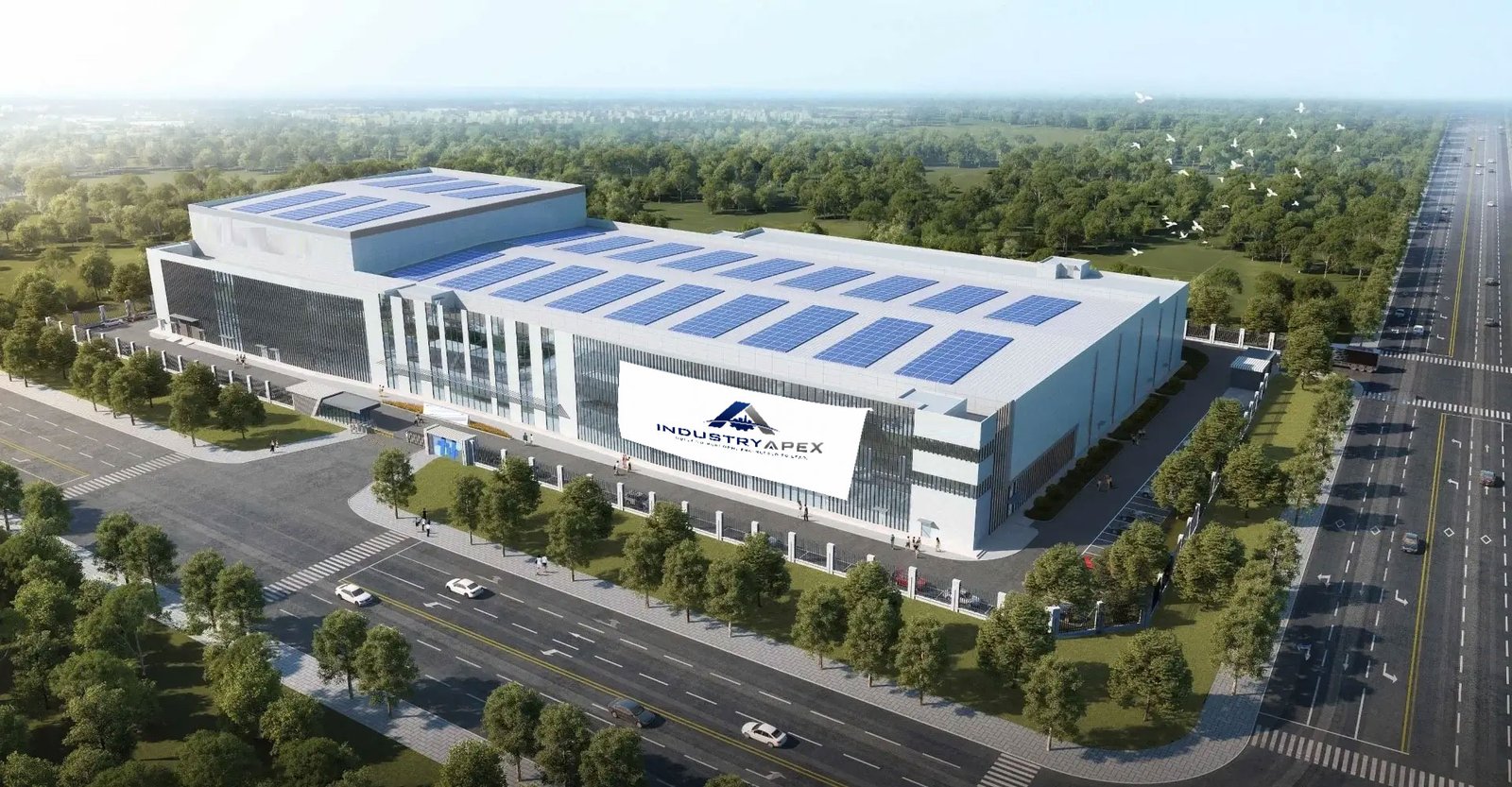
Our technical capabilities include 3-5 axis CNC machining, EDM, wire cutting, precision grinding, and industrial ceramics. This allows our engineering team to select the most efficient process sequence for each feature rather than forcing every part into one manufacturing method. For example, a hardened stainless valve sleeve may be CNC turned before heat treatment, ground for concentricity, wire cut for ports, and finished by precision grinding to achieve sealing performance. A carbide forming insert may require EDM for cavity geometry, grinding for datum surfaces, and careful inspection to verify wear-critical edges.
ODM support also improves manufacturability before the first production order. Many drawings specify difficult corners, unrealistic surface finishes, or tolerance stacks that increase cost without improving functional performance. By reviewing material selection, datum strategy, feature accessibility, tolerance allocation, and inspection plans early, IndustryApex Technology helps customers reduce non-recurring engineering risk. This is especially valuable for parts made from expensive materials where scrap cost is high and delivery delays can disrupt entire assembly programs.
Supply chain integration is also a commercial advantage. OEM buyers increasingly need suppliers who can manage volatility in raw materials, capacity, documentation, and logistics. A controlled ERP-based system improves order visibility, batch traceability, production scheduling, and repeat order consistency. For buyers managing multi-region programs, this reduces the administrative burden of coordinating several process-specific vendors and gives engineering teams one accountable partner for technical resolution.
In practical terms, EDM and wire cutting become more valuable when embedded in a complete manufacturing architecture. The supplier must understand electrode wear, wire path compensation, thermal stability, clamping deformation, dielectric contamination, burr control, recast layer management, and inspection uncertainty. IndustryApex Technology combines process knowledge with ODM program management to support demanding parts from early design validation through production ramp-up.
Industry Applications
Advanced EDM and wire cutting are used wherever hard materials, tight tolerances, and complex geometry intersect. In aerospace, titanium alloys, Inconel, hardened stainless steels, and precision structural components often require low-stress machining and reliable repeatability. Wire EDM can produce slots, brackets, profiles, actuator components, latch features, and tooling with excellent dimensional control. For aerospace manufacturing programs, IndustryApex Technology supports high-precision components through services described on our aerospace CNC machining and aircraft structural components page.
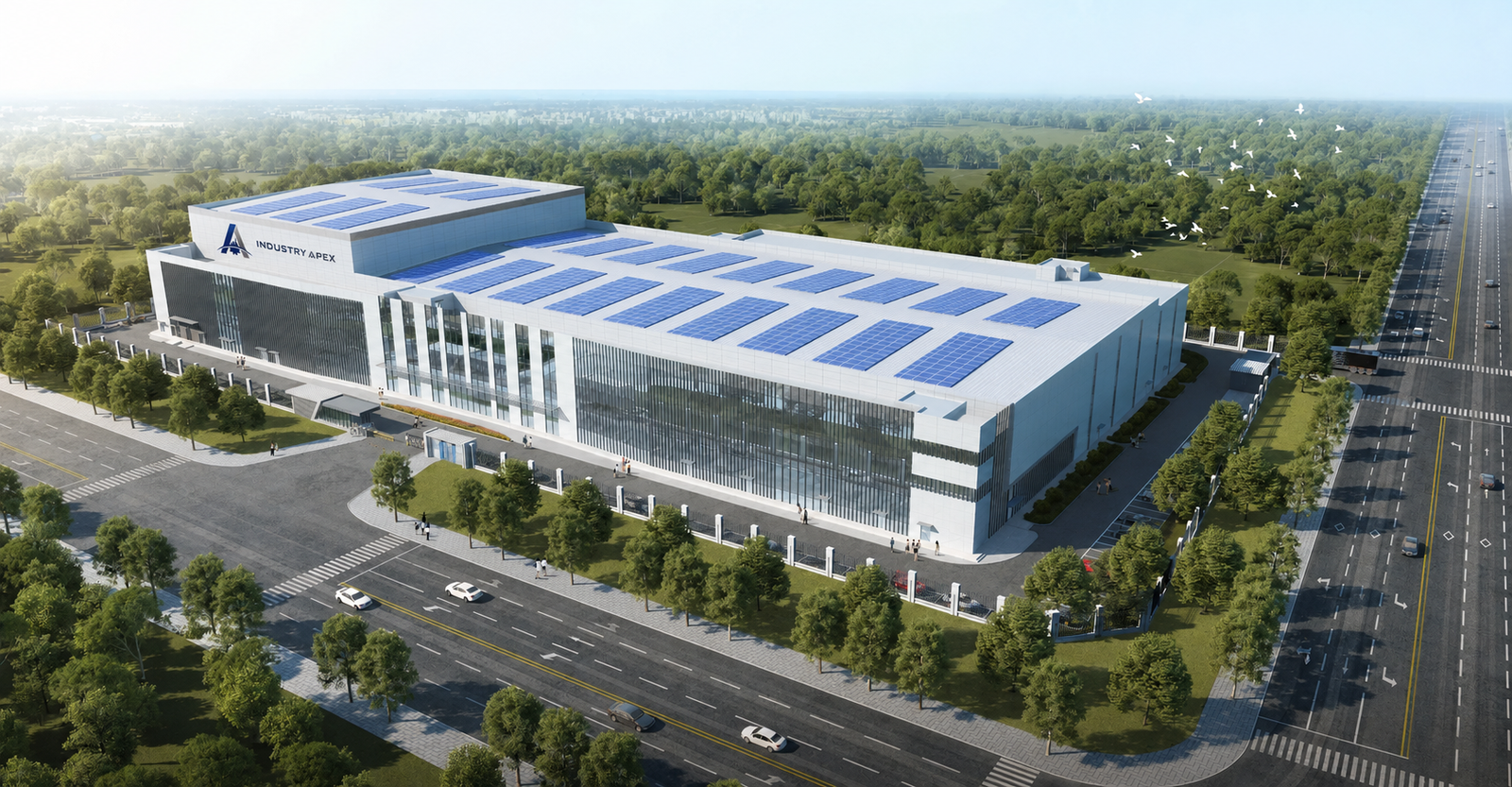
In medical manufacturing, EDM supports small, intricate, and difficult-to-machine parts made from titanium, stainless steel, cobalt-chromium alloys, and other high-performance materials. Surgical tools, implant-related components, orthopedic instrument features, and miniature device parts may require slots, jaws, profiles, sharp internal transitions, or micro holes that are difficult to machine conventionally. When paired with validated cleaning, inspection, and surface finishing, EDM contributes to precision and repeatability. Learn more about related capabilities on our medical CNC machining components page.
Hydraulic and pump systems also benefit from EDM and wire cutting. Valve spools, sleeves, metering edges, pump plates, wear components, and high-pressure fluid control parts often depend on tight clearances, accurate ports, and fine surface quality. A small deviation in port geometry can affect flow, pressure stability, leakage, and service life. EDM allows precise slotting and profiling after heat treatment, while grinding can finish critical sealing and sliding surfaces. IndustryApex Technology provides related manufacturing support for hydraulic pump parts and fluid control applications.
In mold and die manufacturing, EDM is indispensable. Carbide cold heading dies, extrusion dies, stamping punches, plastic mold inserts, and high-wear tooling commonly require features that are impractical to mill after hardening. Wire EDM creates punch profiles and die openings with precise clearance. Sinker EDM creates ribs, logos, blind cavities, and detailed contours. For high-volume production tooling, improved edge consistency directly influences part quality, tool life, and maintenance intervals.
Semiconductor, optics, and advanced equipment manufacturers also rely on EDM-compatible processes for fixtures, precision frames, ceramic-related assemblies, sapphire handling tools, and specialty wear components. Although non-conductive ceramics require grinding, laser, ultrasonic, or specialized hybrid processes rather than standard EDM, integrated suppliers with industrial ceramic experience can guide customers toward practical manufacturing routes. This is important when engineering teams are comparing alumina, zirconia, silicon carbide, tungsten carbide, sapphire, and metal alloys for high-stability applications.
The automotive, energy, and industrial automation sectors use EDM for gears, shafts, nozzles, forming tools, sensor housings, and wear-resistant components. As electrification, miniaturization, and efficiency demands increase, manufacturers need parts with tighter tolerances and more challenging materials. EDM and wire cutting help suppliers meet these requirements without excessive tooling cost or mechanical distortion.
Call to Action
Hard and brittle material machining requires more than machine capacity. It requires process engineering, material understanding, fixture control, inspection discipline, and supply chain coordination. EDM and wire cutting are powerful tools when applied within a complete manufacturing strategy, especially for components that combine high hardness, complex geometry, fine tolerances, and expensive materials.
IndustryApex Technology, through IndustryApex CNC, supports global OEM and Tier 1 customers as an ODM solution provider and precision supply chain integrator. With over 30 years of manufacturing experience, ERP-controlled production, 3-5 axis CNC machining, EDM, precision grinding, and industrial ceramics capabilities, we help customers reduce technical risk and build scalable sourcing programs.
If your team is developing carbide tooling, titanium aerospace parts, medical device components, hydraulic valve parts, ceramic assemblies, or other high-precision components, contact our engineering team for a manufacturability review. Share your drawings, material requirements, annual demand, and inspection standards through our Contact Us page, and IndustryApex Technology will help evaluate the most reliable and cost-effective manufacturing route.