
- Shaft
- Molds&Tools
- Hydraulics And Pump
- Hair transplant needle
- Hydraulics And Pump
- Precision CNC Shaft Machining Manufacturer for High Performance Applications
- Energy Industry CNC Machining Parts Supplier
- Aerospace Structural Components for OEM Programs
- Aerospace Structural Components for OEM Programs
- Automotive & EV CNC Machining Parts Supplier for OEM and Tier 1
- Medical Device CNC Machining Services
Wire EDM Services Cost: The Variables Behind a Reliable Quote

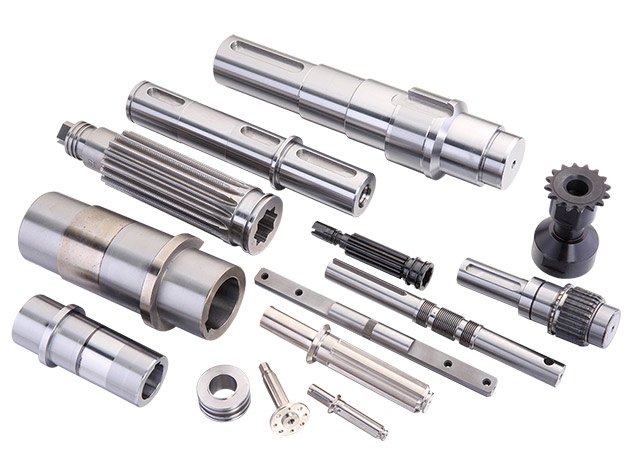
Key answer: Wire EDM services cost depends on material type, part geometry, wire type, cutting speed, and machine capability rather than a fixed hourly rate. Quotations reflect cycle time, electrode consumption, surface finish requirements, and tolerance complexity. Understanding these variables helps buyers evaluate quotes accurately and avoid cost surprises.
What Drives Wire EDM Services Cost
Wire electrical discharge machining (EDM) pricing is not transparent at first glance. Unlike conventional CNC, which charges by machine time and tool wear, wire EDM services cost reflects the interaction between material properties, part geometry, and process parameters that determine whether a job runs efficiently or encounters delays and rework.
A quotation for wire EDM services is built on measurable inputs: the material being cut, its thickness, the required surface finish, tolerance stack, and the machine’s capability to hold that tolerance consistently. Each variable shifts the cost equation.
Material Type and Thickness: The Foundation of Cost
The material you specify is the first cost driver. Wire EDM cuts electrically conductive materials—hardened steel, aluminum, copper, tungsten, and exotic alloys used in aerospace and medical devices—by eroding them with electrical discharge rather than mechanical force. This means hardness does not slow the cut; instead, material conductivity and thickness do.
- Hardened steel (commonly 40-65 HRC) cuts efficiently because of its electrical properties, not despite its hardness. Tool steel and stainless steel are standard choices for molds and precision components.
- Exotic materials (tungsten, molybdenum, ceramics with conductive coatings) require slower cutting speeds and specialized electrode management, increasing cycle time and consumable costs.
- Thickness directly affects cycle time. A 5 mm cut through aluminum takes far less time than a 50 mm cut through hardened steel, changing both labor and wire consumption.
Quotations often reflect material-specific experience. A shop experienced with your material can estimate consumable usage and optimize cutting parameters; unfamiliar materials may carry contingency costs.
Geometry, Tolerance, and Finish Complexity
Part geometry drives wire EDM services cost in less obvious ways. Simple rectangular cuts through uniform material are predictable. Complex profiles, small radii, and tight corners require slower cutting speeds to maintain accuracy and prevent wire breakage.
Tolerance specification directly increases cost. Standard commercial tolerance (±0.05 mm) on a simple feature costs less than aerospace-grade tolerance (±0.025 mm or tighter) requiring multiple passes, sensor verification, and process validation. Tighter tolerances demand slower speeds, smaller step distances, and more wire electrode passes.
Surface finish requirements also affect quotations. A rough EDM finish (as-cut) is fastest and cheapest. Refined finishes (Ra 0.4 µm or smoother) require finishing passes with different parameters, adding cycle time and wire consumption.
Wire Type and Electrode Selection
The electrode wire itself is a significant consumable cost. Common wire diameters are 0.15 mm, 0.2 mm, and 0.25 mm; finer wire enables precision but breaks more often, increasing stops and wire changes. Specialized wires (coated, diamond-impregnated, or brass) cost more and are selected based on material and surface finish goals.
Wire consumption per part depends on cutting distance, number of passes, and machine condition. A well-maintained machine with stable flushing systems uses wire efficiently; a machine with worn wire guides or poor dielectric fluid condition breaks wire frequently, adding labor and consumable costs that appear in the final quote.
Cutting Speed Trade-Offs and Process Optimization
Cutting speed is often misunderstood in wire EDM quotations. Machine brochures list theoretical speeds; actual cutting speed depends on material, thickness, wire type, and desired finish. Pushing speed too hard trades short cycle time for wire breaks, poor edge finish, and rework—costs that erase savings.
Experienced shops quote conservatively, using proven speed tables for your material. This prevents delivery delays and reduces hidden costs. Buyers requesting aggressive speeds should expect either higher prices (to account for rework risk) or longer lead times (if the shop needs to validate parameters).
Machine Capability and Batch Size
Wire EDM machine size and precision capability affect quotation structure. Small machines handle parts up to 200 × 300 mm; large machines cut parts exceeding 1,000 × 1,500 mm. A part requiring a specific machine class influences labor allocation and overhead recovery.
Batch size also matters. A single prototype part incurs full setup costs (material handling, fixturing, program verification) spread across one unit, increasing per-part cost. Production runs spread setup costs across many parts, lowering unit price but requiring consistent quality across the batch.

Quality Control and Inspection Costs
Parts for aerospace, medical, or automotive applications often require dimensional inspection and traceability documentation. Wire EDM service quotations for regulated industries include coordinate measuring machine (CMM) verification, statistical process control (SPC) data, and material certification. These are real costs that must be factored into your total project budget.
Standard commercial parts may skip formal inspection; precision-critical parts require it. This distinction should appear clearly in any quote breakdown.
How to Evaluate a Wire EDM Services Quote
A reliable quote for wire EDM services should itemize or explain:
- Material grade and thickness
- Cutting distance (total wire travel)
- Number of passes required for finish specification
- Wire type and estimated consumption
- Tolerance class and any finishing operations
- Quality inspection scope (if applicable)
- Lead time and any rush charges
Quotes that list only “per hour” rates without reference to your specific part are difficult to compare. Request quotes that address your exact geometry, material, and tolerance requirements. This makes pricing transparent and helps you identify whether two vendors are quoting the same scope of work.
Decision Framework: Balancing Cost, Lead Time, and Quality
Wire EDM services cost reflects real trade-offs between speed, precision, and quality. A comparison table helps clarify the relationship:
| Cost Driver | Impact on Price | Impact on Lead Time | Impact on Quality |
|---|---|---|---|
| Tighter tolerance | Higher | Longer | Improved |
| Finer surface finish | Higher | Longer | Improved |
| Larger batch size | Lower per unit | Longer total | Stable |
| Complex geometry | Higher | Longer | Requires slower speeds |
| Exotic material | Higher | Longer | May require specialized expertise |
| Inspection & traceability | Higher | Longer | Documented compliance |
Sourcing managers and quality leaders often ask: which costs are negotiable? Wire consumption and machine time cannot be reduced below safe minimums without sacrificing quality. Inspection and documentation are fixed once you specify a tolerance or industry standard. Where negotiation works: batch consolidation (lower per-unit setup cost), material selection (choosing a grade that cuts more efficiently), or relaxing finish requirements on non-critical surfaces.
Wire EDM in Your Supply Chain Context
Wire EDM is essential for mold and tooling manufacturing, where complex cavity profiles and tight tolerances are standard. It complements precision manufacturing systems that handle hardened steel and exotic materials. For OEMs and Tier 1 suppliers handling aerospace, medical, and automotive components, understanding wire EDM cost drivers helps integrate it efficiently into your supply chain planning.
When evaluating wire EDM services cost, insist on quotes tied to your specific part data: geometry, material grade, tolerance stack, and finish requirements. This ensures you are comparing apples to apples and can justify the cost to your engineering and procurement teams.

Frequently Asked Questions
Why does wire EDM cost more than conventional CNC for some materials?
Wire EDM excels on hardened steel and exotic materials where tool wear is extreme or material is too hard to machine mechanically. The cost is in consumable electrodes and process time, not tool breakage. For soft materials like aluminum, conventional CNC is often faster and cheaper. The choice depends on material hardness, geometry complexity, and tolerance requirements.
How does cutting speed affect the final quote?
Slower cutting speeds improve surface finish and reduce wire breaks, but increase cycle time and consumable use. Faster speeds risk poor edge quality and rework. Quotations reflect this trade-off: a rough finish (as-cut) is cheapest; refined finishes cost more. Aggressive speed requests should be accompanied by realistic lead-time and rework-cost expectations.
What is the typical wire consumption per part?
Wire consumption depends on cutting distance, thickness, and number of passes. A rough estimate: 0.1–0.3 kg of wire per 100 mm of cut length, but this varies widely. Your vendor should estimate this based on your specific geometry. Wire type (standard brass vs. coated) also affects both consumption and cost.
Does batch size significantly reduce per-unit cost?
Yes. Setup costs (fixturing, program verification, first-piece inspection) are spread across all units in a batch. Single parts absorb full setup cost; batches of 10–50 parts reduce per-unit overhead substantially. Beyond 50 parts, economies flatten unless the vendor can optimize fixture reuse or consolidate multiple parts into one setup.
Are inspection and traceability costs always included in a quote?
Not always. Standard commercial parts may not include formal inspection. Aerospace, medical, and automotive applications require dimensional verification and material traceability, which are billable services. Always clarify inspection scope upfront; this can account for 10–20% of the total cost for regulated parts.
How do I know if a wire EDM quote is fair?
Compare quotes that specify the same material, tolerance class, surface finish, and inspection scope. Request itemized breakdowns showing cutting distance, wire type, number of passes, and labor. If two quotes differ significantly, ask each vendor to explain the difference—it may reveal different assumptions about your requirements or machine capability.
Sources
- Wire EDM Cutting Speed Explained – WSM Technology
- Wire EDM Machining Expertise and Capabilities – Custom EDM
- Wire EDM: Comparisons, Considerations and Applications – IQS Directory
Understanding wire EDM services cost requires insight into material properties, process parameters, and machine capability. Rather than accepting a flat quote, engage your vendor to clarify the cost drivers relevant to your specific part. This partnership approach ensures transparent pricing, realistic lead times, and parts that meet your quality standards. Submit your drawings and specifications to receive a detailed breakdown tailored to your engineering requirements.