- Shaft
- Molds&Tools
- Hydraulics And Pump
- Hair transplant needle
- Hydraulics And Pump
- Precision CNC Shaft Machining Manufacturer for High Performance Applications
- Energy Industry CNC Machining Parts Supplier
- Aerospace Structural Components for OEM Programs
- Aerospace Structural Components for OEM Programs
- Automotive & EV CNC Machining Parts Supplier for OEM and Tier 1
- Medical Device CNC Machining Services
High Precision Bore Grinding Cost: The Variables Behind a Reliable Quote

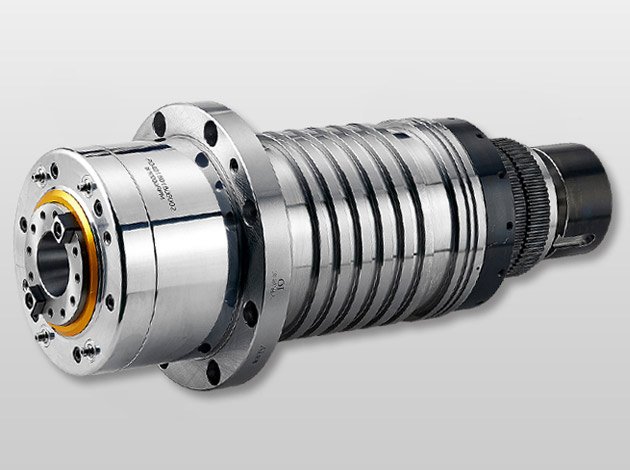
When sourcing high precision bore grinding for hydraulic cylinders, valves, or bearing housings, cost transparency begins with understanding the technical variables that shape every quote. Unlike surface grinding or external cylindrical work, bore grinding addresses the unique challenges of internal diameters where access is limited, tolerance stacks are tight, and inspection is demanding. The high precision bore grinding cost you receive reflects these realities—not arbitrary markup.
Key answer: High precision bore grinding cost is determined by bore diameter and depth, specified tolerance and surface finish, material hardness and machinability, batch size, setup complexity, and the level of inspection documentation required. Effective quotations balance these variables against functional requirements, avoiding over-specification that inflates cost without improving part performance in its operating environment.
Why High Precision Bore Grinding Cost Varies by Job Geometry
Internal grinding operates under geometric constraints that external processes do not face. The grinding wheel must fit within the bore, limiting wheel diameter and reducing cutting speed. Deeper bores require longer tooling reach, introducing deflection and vibration that demand slower feeds and multiple finishing passes. As bore length-to-diameter ratio increases, setup time, tool wear, and cycle time all rise proportionally.
Small-diameter bores below 10 mm present additional challenges. Wheel selection becomes restricted, surface speed drops, and heat concentration increases, requiring careful coolant delivery to prevent workpiece distortion. Conversely, large bores above 200 mm may demand dedicated machines with extended spindle capacity, limiting supplier options and increasing setup costs. Quotation accuracy depends on complete dimensional data: nominal diameter, tolerance band, depth, and any features such as grooves or chamfers that interrupt the grinding cycle.
Hydraulic pump parts are a common application for internal bore grinding, where leakage prevention and bearing fit depend on tight diameter control and consistent surface finish.
Material selection significantly affects grinding economics. Free-machining steels like 12L14 grind efficiently with minimal wheel wear, while hardened tool steels (HRC 58-62) require CBN or diamond wheels and slower removal rates. Ceramics, carbides, and glass demand specialized coolant systems and ultra-rigid setups. The harder and more abrasive the material, the higher the per-piece cost due to wheel consumption and extended cycle time.
How Tolerance and Surface Finish Drive Quotation Complexity
Tolerance specification is the primary cost lever in precision bore grinding. A bore ground to ±0.02 mm with Ra 1.6 μm finish may require two roughing passes and one finish pass. Tightening tolerance to ±0.005 mm and Ra 0.4 μm typically adds at least one spark-out pass, in-process gauging, and post-grind dimensional verification, doubling cycle time. High precision bore grinding tolerances explores these trade-offs in detail, showing where incremental tightening yields functional benefit versus where it simply raises cost.
Roundness and cylindricity requirements compound the challenge. Achieving roundness within 0.002 mm requires machine thermal stability, balanced workholding, and dressed wheels. If your design specifies both tight diameter tolerance and tight form tolerance, expect longer setup, more frequent wheel dressing, and potentially dedicated machine time. Many OEM engineers discover that relaxing roundness from 0.002 mm to 0.005 mm cuts cost by 20-30% with negligible impact on bearing performance, provided diameter tolerance remains controlled.
Tolerance and Cost Relationship
| Tolerance Band (mm) | Typical Ra Finish (μm) | Relative Cost Impact |
|---|---|---|
| ±0.02 | 1.6 | Baseline |
| ±0.01 | 0.8 | +30-50% |
| ±0.005 | 0.4 | +80-120% |
| ±0.002 | 0.2 | +150-200% |
These figures represent typical relative cost increases for comparable geometries and materials. Absolute cost depends on diameter, depth, material, and volume, but the progression illustrates how tolerance tightening scales exponentially, not linearly.
Batch Size, Setup, and the Economics of Volume
Setup cost in bore grinding includes workholding fixturing, wheel selection and dressing, machine alignment, and first-article inspection. For prototype or low-volume runs (1-10 pieces), setup may represent 60-80% of the total invoice. As batch size increases, per-piece cost drops rapidly because setup is amortized across more parts. A 100-piece run may reduce unit cost by 40-60% compared to a 10-piece run, assuming stable material and geometry.
However, volume alone does not guarantee low cost. If your design requires frequent wheel changes due to material hardness or multiple bore diameters in one part, setup time recurs within the batch. Similarly, if tolerance is tight enough to demand in-process gauging every few pieces, inspection overhead scales with volume. Effective cost reduction pairs volume with design simplicity: consistent material, single bore diameter, and tolerances that allow uninterrupted grinding cycles.
Inspection, Documentation, and Hidden Cost Drivers
Standard inspection for bore grinding includes plug gauges or bore micrometers for diameter, and visual or tactile assessment of surface finish. This basic package is typically included in the grinding cost. However, many OEM and Tier 1 buyers require dimensional reports with traceability, roundness plots from CMM or form testers, and surface finish certification from contact profilometers. Each additional inspection layer adds cost.
For aerospace CNC machining and medical CNC machining applications, full first-article inspection reports (FAIR) with material certifications, process traveler records, and calibration traceability are standard but add 10-20% to the per-piece cost. If your application does not demand this level of documentation, communicate inspection requirements clearly at the quotation stage to avoid paying for unused reports.
Cost Optimization Checklist
- Specify only the tolerance and surface finish your design functionally requires; avoid copying tighter specifications from reference parts unless performance depends on them.
- Consolidate bore diameters and depths within a part to minimize wheel changes and setup complexity.
- Choose materials with good grindability unless hardness or corrosion resistance is non-negotiable.
- Increase batch size wherever feasible to amortize setup costs across more pieces.
- Clarify inspection and documentation requirements upfront; request only the certifications your quality system or end customer actually requires.
- Provide complete 3D models or dimensioned drawings with GD&T callouts to eliminate quotation assumptions and revision cycles.
How to Compare Quotations Without Inventing Prices
When evaluating multiple high precision bore grinding cost proposals, avoid focusing solely on the bottom-line figure. Instead, compare the scope of work: does the quote include fixturing, first-article inspection, and packaging? Are tolerance and finish interpretations consistent with your drawing? Does the supplier have the bore diameter capacity and material experience your part demands?
Request a detailed cost breakdown showing setup, cycle time per piece, material-specific wheel cost, and inspection services. This transparency allows you to identify where costs concentrate and where design changes might yield savings. If one quote is significantly lower, confirm that the supplier has correctly interpreted your tolerances and has the metrology capability to verify them. Underquoting due to misunderstood requirements leads to costly rework or rejected batches.
Leverage your supplier’s engineering experience by sharing the functional context: is the bore for a hydraulic seal, a rolling element bearing, or a slip fit bushing? Suppliers familiar with your application can often suggest tolerance relaxations or material substitutions that preserve performance while reducing cost. This collaborative approach consistently delivers better outcomes than treating quotations as black-box price comparisons.

Frequently Asked Questions
What is the primary cost driver in high precision bore grinding?
Tolerance and surface finish specifications drive the majority of cost variation. Tighter tolerances require additional grinding passes, in-process gauging, and potentially dedicated machine time. Moving from ±0.02 mm to ±0.005 mm tolerance can double cycle time and cost. Material hardness and batch size also significantly influence cost, but tolerance is the factor most directly under the designer’s control.
How does bore diameter affect grinding cost?
Bore diameter affects wheel selection, machine capacity, and cycle time. Very small bores (below 10 mm) require specialized small-diameter wheels with reduced surface speed, increasing cycle time. Large bores (above 200 mm) may demand dedicated large-capacity machines, limiting supplier options. Mid-range diameters (20-100 mm) generally offer the best cost efficiency due to broad machine availability and optimal grinding conditions.
Can I reduce cost by relaxing surface finish requirements?
Yes, if your application permits. Relaxing finish from Ra 0.4 μm to Ra 0.8 μm often eliminates one finishing pass, reducing cycle time by 20-30%. However, confirm that the coarser finish will not compromise sealing, bearing life, or friction performance in your assembly. For many static fits and bearing housings, Ra 0.8-1.6 μm is functionally adequate and significantly more economical than mirror finishes.
How does material choice impact bore grinding cost?
Material hardness and abrasiveness directly affect wheel wear and grinding speed. Hardened steels above HRC 55 require CBN wheels and slower feeds, increasing cost by 30-50% compared to annealed or carburized steels. Ceramics, carbides, and glass demand diamond wheels, specialized coolant, and ultra-rigid setups, often doubling cost. Choose the softest material grade that meets your strength and wear requirements to minimize grinding cost.
What inspection level should I specify to avoid overpaying?
Specify only the inspection your quality system or end customer requires. Plug gauges and bore micrometers provide diameter verification at minimal cost. If you need roundness or cylindricity certification, expect to pay for CMM or form tester inspection. Full first-article inspection reports with material certs and calibration traceability add 10-20% but are essential for aerospace and medical applications. Avoid blanket requests for “full inspection” unless you need the documentation.
How much does batch size affect per-piece cost?
Setup costs (fixturing, wheel dressing, machine alignment, first-article inspection) are fixed per batch. For small runs (1-10 pieces), setup may represent 60-80% of total cost. Increasing batch size to 50-100 pieces can reduce per-piece cost by 40-60%. Beyond 100 pieces, cost reduction tapers unless automation or dedicated tooling is introduced. Balance batch size against inventory carrying cost and demand forecasting uncertainty.
Conclusion
Understanding high precision bore grinding cost means recognizing the interplay between geometry, tolerance, material, volume, and inspection. Every specification choice—diameter band, finish requirement, documentation level—shapes the quotation you receive. By specifying only what your design functionally requires, consolidating features, and engaging suppliers early with clear drawings and application context, you secure quotations that reflect true manufacturing cost rather than guesswork and contingency padding.
For precision bore grinding that balances cost efficiency with tight tolerance control, upload your drawings to receive a detailed, transparent quotation within 24 hours. Our engineering team reviews every specification to identify cost-saving opportunities without compromising the functional performance your application demands.