- Shaft
- Molds&Tools
- Hydraulics And Pump
- Hair transplant needle
- Hydraulics And Pump
- Precision CNC Shaft Machining Manufacturer for High Performance Applications
- Energy Industry CNC Machining Parts Supplier
- Aerospace CNC Machining Parts Manufacturer
- Aerospace CNC Machining Parts Manufacturer
- Automotive & EV CNC Machining Parts Supplier for OEM and Tier 1
- Medical CNC Machining Parts Supplier for Precision Medical Devices

Optimizing Supply Chains with Low MOQ Micro-Batch Production for Precision CNC Components

Executive Summary
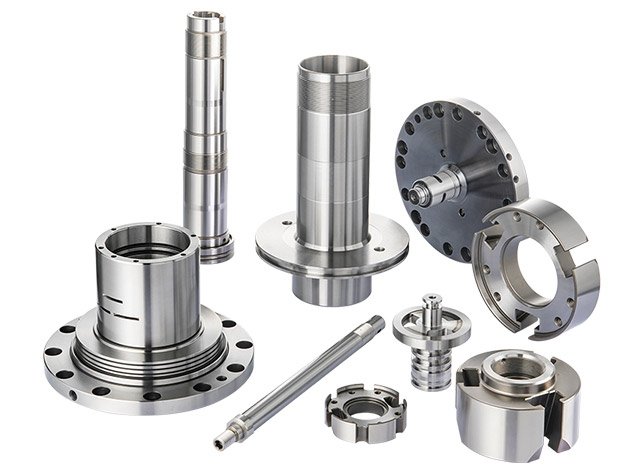
Low MOQ micro-batch production is becoming a practical supply chain strategy for OEMs and Tier 1 suppliers that need tighter inventory control, shorter lead times, and better responsiveness to design change. Instead of building large forecast-driven stocks, engineering teams can release smaller production lots with stable process control, validated inspection, and repeatable routing. The result is not only lower working capital exposure, but also lower obsolescence risk, faster engineering iteration, and stronger alignment between procurement and real demand.
For precision manufacturers, this model only works when the factory can hold dimensional consistency across small runs, manage setup efficiency, and keep quality systems disciplined from first article through final shipment. That is where a fully controlled precision manufacturing system matters. With ERP-driven planning, multi-process capability, and experience across complex industries, low MOQ production can move from a tactical workaround to a structured supply chain advantage.
IndustryApex Technology, operating under the IndustryApex CNC brand, supports this model as both a supply chain integrator and ODM solution provider. The company’s capability set, including 3-5 axis CNC machining, EDM, precision grinding, and industrial ceramics, is suited to the kinds of part families where micro-batch supply is most valuable: aerospace, medical, hydraulics, and other high-specification sectors. For organizations balancing part criticality with inventory discipline, the question is no longer whether small-batch production is possible. The real question is how to design the sourcing system around it.
Technical Deep Dive
Low MOQ micro-batch production changes the economics of precision manufacturing by reducing the batch size needed to justify a release while preserving repeatability at the machine and process level. In a conventional high-volume model, cost is optimized by spreading setup and validation effort over large quantities. In a micro-batch model, the factory must compress changeover time, standardize process windows, and make quality verification faster without weakening control. That requires disciplined tooling strategy, structured program management, and an ERP layer that ties material availability, machine capacity, inspection, and shipment timing into one planning loop.
The engineering value starts with risk segmentation. Components with high design volatility, long qualification cycles, or strong demand uncertainty benefit from smaller releases. Micro-batch production prevents overcommitment to a forecast that may not hold and allows design updates to flow into the next run with less stranded inventory. For parts with tight tolerance bands, the manufacturing system must also support process capability validation at smaller quantities. This means repeatable fixturing, stable tool life management, in-process measurement, and traceable inspection records across every lot.
A second technical requirement is routing flexibility. Low MOQ supply chains are rarely built on a single process. A component might require 5-axis machining for geometry, EDM for sharp internal features, precision grinding for final surface control, and sometimes industrial ceramics or specialized finishing for wear or insulation performance. The more fully integrated the process stack, the fewer handoffs, and the lower the exposure to delay or quality drift across subcontractors. That is especially important when the supply chain must support emergency replenishment, pilot builds, or phased product launches.
ERP integration is the backbone of this model. At micro-batch scale, errors in material staging or scheduling can erase the cost benefit of smaller runs. A controlled ERP environment supports lot traceability, work order sequencing, capacity allocation, and material consumption logic. It also helps the manufacturer coordinate engineering change orders, ensuring that the released revision is the revision being produced. For OEMs, this reduces administrative friction and shortens the time from approved drawing to shipped part.
From a supply chain perspective, the strongest benefit is cash efficiency. Smaller batches reduce inventory days on hand and allow purchasing teams to order closer to actual demand. For imported precision parts, this can also lower customs exposure, warehouse burden, and the hidden cost of obsolete stock held for programs with uncertain ramp trajectories. The downside is that not every supplier can absorb this operational model. A factory without process maturity will simply move the waste from the customer’s warehouse into its own production schedule. The manufacturing partner must therefore be chosen for stability, not just nominal machining capability.
The ODM & Supply Chain Advantage
Low MOQ micro-batch production becomes materially stronger when the manufacturer is not only a machine shop, but also a supply chain integrator and ODM solution provider. That combination changes the role of the supplier from a transactional processor to a design-to-delivery partner. For global OEMs and Tier 1 suppliers, this is important because the sourcing problem is rarely just about cutting metal. It is about converting engineering intent into repeatable supply under time and cost constraints.
IndustryApex Technology’s manufacturing edge comes from a fully controlled precision manufacturing system supported by ERP and more than 30 years of experience. That kind of operating model supports better coordination between quotation, engineering review, production planning, inspection, and logistics. In practice, it means a customer can move from prototype intent to low MOQ repeat production without re-creating the process with each order. The outcome is lower administrative overhead and a more dependable supply curve.
The technology stack also matters. 3-5 axis CNC machining enables complex geometry in fewer setups, which is essential when lot sizes are small and every setup carries more weight. EDM extends the range of manufacturable features where conventional cutting is constrained. Precision grinding provides the final control needed for fit, form, and surface finish. Industrial ceramics add another pathway for applications requiring thermal stability, corrosion resistance, or electrical insulation. Together, these capabilities support part families that are difficult to source from general-purpose vendors.
For customers, the commercial value is not only manufacturing depth but supply chain simplification. One qualified partner can manage multiple part types across adjacent applications, reducing vendor count and the coordination cost of fragmented procurement. That is particularly useful in programs where the bill of materials includes both structural and functional precision parts. The more the supplier can integrate sourcing logic, process planning, and quality control, the more the customer can focus internal resources on engineering and demand planning instead of expediting exceptions.
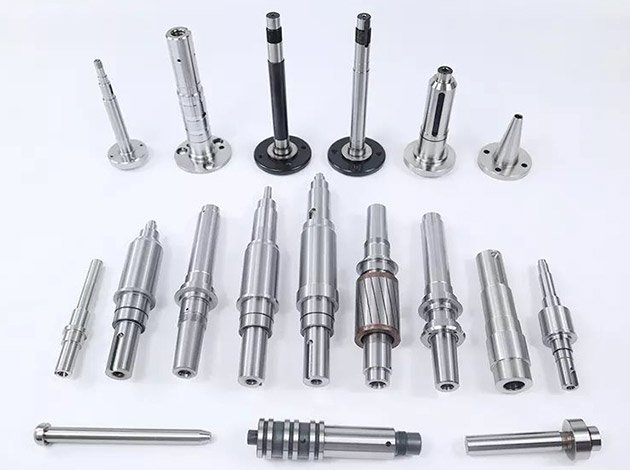
This is also where ODM capability becomes strategic. In many cases, customers need more than part duplication. They need manufacturability input, tolerance refinement, and production-ready adaptation that aligns with downstream assembly and lifecycle needs. An ODM-oriented supplier can help translate an early design into a stable production artifact with less trial-and-error. For global OEMs and Tier 1 suppliers, that shortens program readiness and reduces the probability of late-stage sourcing disruption.
Industry Applications
Micro-batch production is especially effective in sectors where part criticality is high and forecast certainty is limited. Aerospace programs often require small quantities of flight-critical components, spares, and qualification builds. Here, small batches are not a compromise; they are often the correct industrial response to certification stages, variant control, and exacting quality documentation. IndustryApex CNC’s aerospace parts capability is relevant where 5-axis machining and structural component control must meet demanding dimensional and material requirements. Learn more through the Aerospace Parts page.
Medical manufacturing brings a different but equally strong rationale. Hospitals, device makers, and contract manufacturers often need precision parts in low quantities for validated assemblies, regional demand, or product-line variation. Regulatory discipline and traceability are central. A low MOQ model helps avoid excess stock in markets with fast-moving device revisions while preserving supply continuity for approved components. IndustryApex Technology’s ISO-certified medical manufacturing capabilities align with this need. See the Medical Parts page for more detail.
Hydraulics and pump systems also benefit from small-batch precision sourcing. Fluid control components often carry tight sealing and wear requirements, and many programs need replacement parts on a recurring but unpredictable basis. Micro-batch production reduces the need to hold oversized inventories of specialized spares while keeping critical equipment operational. Explore the Hydraulics & Pump page for related part families.
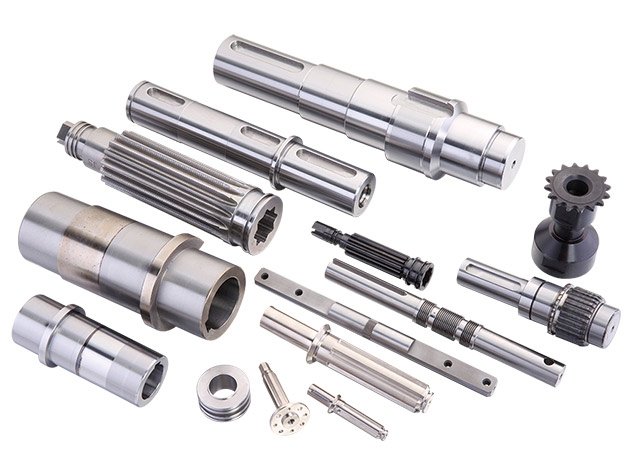
Across all these sectors, the supply chain logic is the same. Engineers want fit and function without overproduction. Procurement wants lower inventory exposure and fewer disruptions. Operations wants traceability and predictable replenishment. Low MOQ micro-batch production serves all three when the supplier can support controlled manufacturing, strong documentation, and responsive planning.
Call to Action
If your sourcing strategy is constrained by excess inventory, long lead times, or rigid batch requirements, low MOQ micro-batch production is worth evaluating as a structural part of your supply chain design. The model works best when paired with a manufacturer that can coordinate engineering, production, and logistics within one controlled system.
IndustryApex Technology supports OEM and Tier 1 programs with precision CNC machining, EDM, precision grinding, industrial ceramics, and ODM-driven supply chain integration. For teams reviewing new part introductions, alternate sourcing, or low-volume repeat builds, the next step is a direct engineering conversation.
Visit the Home page to review the manufacturing scope, or use Contact Us to start a project discussion with the IndustryApex CNC team.