
- Shaft
- Molds&Tools
- Hydraulics And Pump
- Hair transplant needle
- Hydraulics And Pump
- Precision CNC Shaft Machining Manufacturer for High Performance Applications
- Energy Industry CNC Machining Parts Supplier
- Aerospace Structural Components for OEM Programs
- Aerospace Structural Components for OEM Programs
- Automotive & EV CNC Machining Parts Supplier for OEM and Tier 1
- Medical Device CNC Machining Services
Thin Wall CNC Turning Cost: The Variables Behind a Reliable Quote

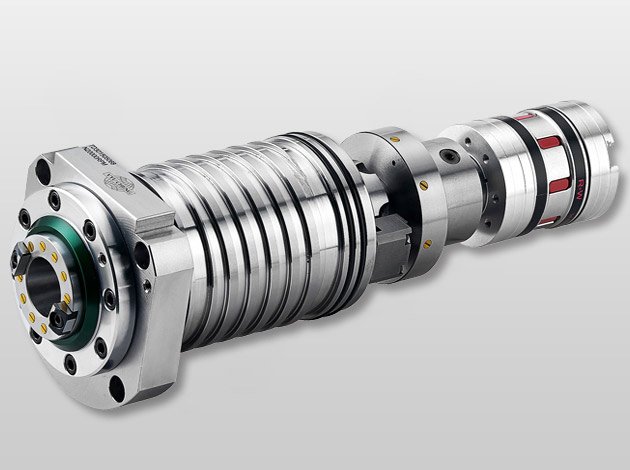
Thin wall CNC turning delivers lightweight, high-strength precision shafts for aerospace, medical and robotics applications, but accurate cost estimation requires understanding the interplay between wall thickness, material behavior, tooling constraints and inspection requirements. A reliable quote reflects not just machine time but the engineering effort needed to maintain dimensional stability, concentricity and surface finish when material removal leaves minimal structure to resist deflection.
Key answer: Thin wall CNC turning cost depends on wall thickness ratio, material machinability, fixture complexity, toolpath strategy, spindle speed control, and inspection protocol. Thinner walls demand slower feeds, specialized tooling, balanced cutting forces and more frequent dimensional checks, all of which extend cycle time and increase per-part cost compared to standard turning operations.
What Defines Thin Wall Turning and Why It Affects Cost
A thin-walled turned part typically exhibits a wall thickness-to-diameter ratio below 0.05, or absolute walls under 1.5 mm, depending on material and length. As the ratio decreases, the part becomes more prone to deflection under cutting forces, chatter-induced surface defects and thermal distortion. Maintaining concentricity and roundness within tolerance requires modified toolpaths, reduced depth of cut and sometimes intermediate stress-relief cycles, all of which add time and complexity to the process.
Cost impact begins at the fixturing stage. Standard three-jaw chucks or collets may induce clamping distortion on thin sections, necessitating custom soft jaws, mandrels or expanding arbors that distribute force evenly. Each fixture configuration adds setup time and may require trial runs to verify dimensional stability, costs that are amortized differently across prototype batches versus high-volume orders.
Material Selection and Machinability Trade-Offs
Material choice directly influences thin wall CNC turning cost through machinability rating, thermal expansion coefficient and yield strength. Aluminum alloys such as 6061-T6 machine quickly and resist deflection less than steel, but aerospace-grade 7075 or titanium alloys demand carbide or coated inserts, slower surface speeds and coolant strategies that extend cycle time.
Stainless steels in the 300 series, common in medical device shafts, work-harden under the tool nose, requiring sharp positive-rake inserts and controlled engagement. Interrupted cuts on thin walls can trigger chatter, forcing programmers to reduce spindle RPM or implement variable-pitch tooling, both of which increase machining time and tool wear per part.
High-strength alloys and hard-to-machine materials also elevate inspection costs. Thin-walled titanium shafts often require non-contact optical measurement or coordinate measuring machine (CMM) verification to confirm concentricity without risking probe-induced deformation, adding a per-part quality assurance step.
Setup, Tooling and Cycle Time Drivers
Setup cost in thin wall turning includes fixture design, part alignment, tool offset calibration and first-article inspection. For low-volume orders, setup may represent 30 to 50 percent of total job cost; for high-volume runs, it is amortized across hundreds or thousands of parts, reducing per-part burden significantly. According to industry data compiled by Davantech, setup costs are the primary differentiator between prototype and production pricing.
Cycle time grows as wall thickness decreases. Standard turning operations might remove material at 0.5 mm depth of cut per pass, but thin walls often require 0.1 to 0.2 mm depths to prevent deflection and chatter. A shaft that would take 8 minutes under normal conditions may require 20 minutes when turned to a 0.8 mm wall, tripling the machining time component of cost.
Tooling strategy also affects cost. Thin wall work benefits from high-precision boring bars with anti-vibration damping, ceramic or cermet inserts for interrupted cuts, and sometimes custom-ground geometries. Tool life decreases when cutting at lower speeds to avoid resonance, so tooling cost per part rises even if the inserts themselves are not exotic.
Cost Breakdown by Component
| Cost Component | Typical Contribution | Thin Wall Impact |
|---|---|---|
| Material | 15–30% of total | Higher scrap risk increases material cost per good part |
| Setup and fixturing | 10–40% (volume-dependent) | Custom soft jaws or mandrels add 20–50% to setup time |
| Machining time | 30–50% of total | Reduced feeds and multiple light passes double or triple cycle time |
| Tooling and consumables | 5–15% of total | Specialized inserts and shorter tool life increase cost |
| Inspection and quality | 5–10% of total | Non-contact or CMM verification adds per-part QA time |
Design and Tolerance Decisions That Control Cost
Engineers can influence thin wall CNC turning cost through deliberate design choices. Specifying a slightly thicker wall—moving from 0.8 mm to 1.2 mm, for example—may enable standard tooling and faster feeds without compromising part weight significantly. Similarly, relaxing concentricity from IT6 to IT7 where functional requirements allow can reduce the need for finish grinding or secondary operations.
Internal features such as grooves, undercuts or threads add complexity and cycle time. Each feature interrupts the continuous cutting path, requires a tool change and may demand reduced spindle speeds to prevent chatter near thin sections. A design for manufacturability review before quoting helps identify cost drivers early and offers alternatives that maintain performance at lower cost.
Surface finish requirements also matter. A standard Ra 1.6 µm finish is achievable in most thin wall turning operations, but Ra 0.4 µm or better may require a finish pass at very light depth of cut, additional coolant control or post-machining grinding, each adding cost and lead time.
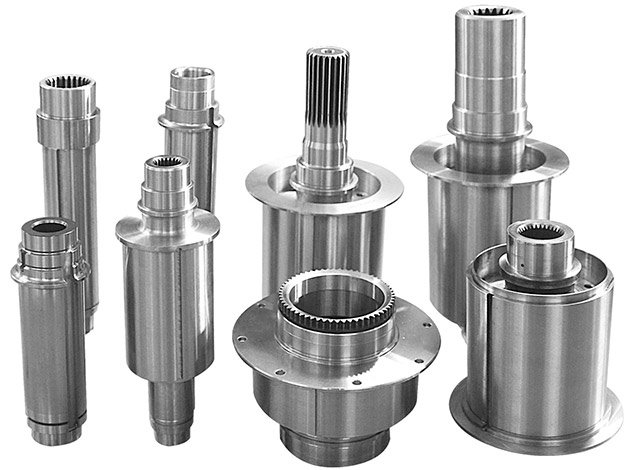
Batch Size, Amortization and Volume Economics
Per-part thin wall CNC turning cost decreases sharply as batch size grows, because setup, fixturing and first-article inspection costs are distributed across more units. A prototype run of 10 shafts may carry a per-part cost three to five times higher than a production run of 500, even though material and cycle time per part remain constant.
Suppliers may also adjust hourly rates based on order volume and repeat business. Long-term partnerships and blanket purchase orders enable better capacity planning and tooling investment, which can translate into lower quoted rates. Understanding this dynamic helps procurement teams negotiate more effectively and structure orders to capture volume pricing.
Inspection, Traceability and Quality Assurance Costs
Thin-walled shafts in aerospace and medical applications often require full dimensional inspection, material certifications and serialized traceability. Inspection protocols may include CMM measurement of concentricity, optical measurement of wall thickness variation, and surface roughness verification using contact or non-contact profilometry.
Each inspection step adds labor and equipment time. A comprehensive quality control process ensures consistency but increases per-part cost, particularly for low-volume orders where inspection time cannot be batched efficiently. Buyers should clarify inspection scope during the quoting phase to avoid surprises at delivery.
What to Include in Your RFQ for Accurate Costing
A complete request for quotation enables suppliers to provide accurate thin wall CNC turning cost estimates without multiple clarification rounds. Include the following:
- 3D CAD model or detailed 2D drawing with GD&T callouts, especially concentricity, roundness and wall thickness tolerances
- Material specification, including grade, condition and any required certifications
- Quantity per order and anticipated annual volume
- Surface finish requirements and acceptable measurement locations
- Inspection and documentation requirements, including material certs, dimensional reports and traceability
- Delivery schedule and any flexibility on lead time
Providing this information upfront reduces the risk of scope creep and ensures that quoted prices reflect the actual production requirements. For complex shafts or first-time suppliers, consider requesting a formal design review before committing to production tooling.
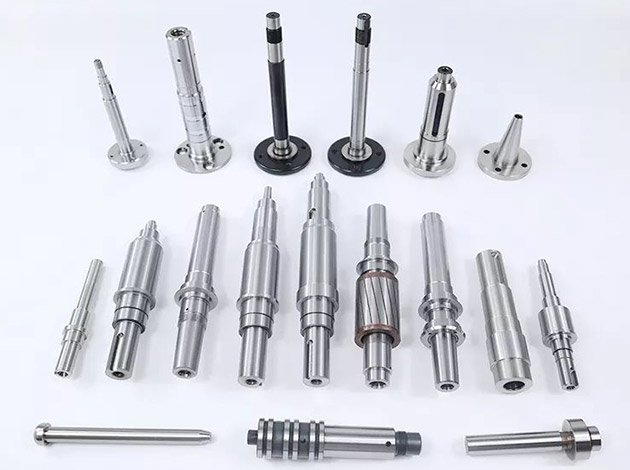
Comparing Thin Wall Turning to Alternative Processes
Thin wall CNC turning is not the only option for lightweight rotational parts. Depending on geometry and volume, alternatives include:
- Tube machining: Starting from pre-formed tubing reduces material removal and cycle time, but limits design flexibility and may introduce concentricity variation from the raw stock.
- Swiss-type turning: Guide bushings support thin sections close to the tool, enabling tighter tolerances and faster feeds, but machine access and part length are constrained.
- Casting or forging with finish turning: Near-net-shape blanks reduce machining time but add tooling cost and minimum order quantities that may not suit prototype or low-volume production.
Each alternative carries its own cost structure. A supplier experienced in thin wall work can evaluate these options during the quoting process and recommend the most cost-effective approach based on part geometry, tolerances and volume.
Practical Checklist: Preparing to Request a Thin Wall Turning Quote
- Confirm wall thickness, diameter and length to calculate thickness-to-diameter ratio
- Specify material grade, condition and any certifications required
- Define concentricity, roundness and surface finish tolerances using GD&T
- Identify internal features such as grooves, threads or undercuts that add complexity
- Estimate annual volume and typical order quantities to enable volume pricing
- Clarify inspection and documentation requirements, including traceability
- Request a design review if this is a first-time thin wall project or new supplier relationship
Frequently Asked Questions
What wall thickness is considered thin in CNC turning?
Thin wall turning typically refers to parts with wall thickness-to-diameter ratios below 0.05, or absolute wall thicknesses under 1.5 mm. The exact threshold depends on material properties, part length and tolerance requirements. Aluminum and brass can often be turned thinner than stainless steel or titanium due to lower cutting forces and better machinability.
Why does thin wall turning cost more than standard turning?
Thin wall CNC turning cost increases because the process requires slower feeds, lighter depths of cut, specialized fixturing, anti-vibration tooling and more frequent dimensional checks to prevent deflection and chatter. Setup and inspection time also rise, and scrap risk is higher, all of which contribute to a higher per-part cost compared to standard turning operations.
How does batch size affect thin wall turning cost?
Per-part cost decreases significantly with larger batch sizes because setup, fixturing and first-article inspection costs are amortized across more units. A prototype run of 10 parts may cost three to five times more per part than a production run of 500, even though material and cycle time remain constant. Volume pricing and repeat orders further reduce cost through better tooling investment and capacity planning.
Can I reduce thin wall turning cost without compromising quality?
Yes, through deliberate design choices: specify slightly thicker walls where functional requirements allow, relax tolerances on non-critical dimensions, minimize internal features like grooves or threads, and consolidate orders to capture volume pricing. A design for manufacturability review with your supplier before quoting can identify cost-saving opportunities that maintain part performance.
What inspection is required for thin-walled turned shafts?
Inspection depends on application and tolerance requirements. Standard checks include caliper or micrometer measurement of diameter and wall thickness, and dial indicator verification of concentricity and roundness. High-precision or aerospace applications may require CMM measurement, optical scanning or surface roughness profilometry. Clarify inspection scope in your RFQ to ensure accurate cost estimates.
How do I choose between thin wall turning and starting from tube stock?
Tube stock reduces material removal and cycle time but limits design flexibility and may introduce concentricity variation from the raw material. Thin wall turning from solid bar offers tighter control over concentricity and surface finish but increases machining time. The best choice depends on part geometry, tolerances, volume and material availability. Discuss both options with your supplier during the quoting phase.
Conclusion
Understanding thin wall CNC turning cost requires looking beyond hourly machine rates to the full spectrum of engineering and quality assurance inputs: fixture design, toolpath strategy, material behavior, inspection protocol and batch size economics. A reliable quote reflects the supplier’s capability to manage deflection, maintain concentricity and deliver consistent surface finish across production volumes. By specifying complete requirements in your RFQ and engaging suppliers early in the design phase, you gain visibility into cost drivers and create opportunities to optimize both part performance and manufacturing economics.