
- Shaft
- Molds&Tools
- Hydraulics And Pump
- Hair transplant needle
- Hydraulics And Pump
- Precision CNC Shaft Machining Manufacturer for High Performance Applications
- Energy Industry CNC Machining Parts Supplier
- Aerospace Structural Components for OEM Programs
- Aerospace Structural Components for OEM Programs
- Automotive & EV CNC Machining Parts Supplier for OEM and Tier 1
- Medical Device CNC Machining Services
CNC Machining Aircraft Structural Components Cost: The Variables Behind a Reliable Quote

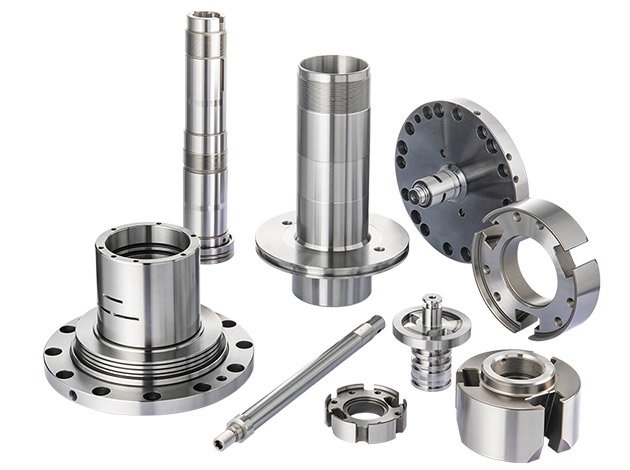
When sourcing aerospace CNC machining services for aircraft structural components, procurement teams face a quotation process shaped by multiple technical and commercial variables. Unlike standard parts, aerospace structures—ribs, bulkheads, spars, and fittings—demand tight tolerances, material traceability, and process validation, each of which contributes to CNC machining aircraft structural components cost. Understanding these variables enables OEM engineers and sourcing managers to evaluate quotes effectively and identify cost-reduction opportunities without compromising compliance or performance.
Key Answer
CNC machining aircraft structural components cost is determined by material type and grade, part geometry and axis count, tolerance requirements, batch volume, inspection depth, and supplier capability. Titanium and Inconel increase tooling and cycle time expenses. Complex multi-axis features raise setup and programming costs. Tighter tolerances require additional inspection steps. Volume and repeatability improve per-unit economics. Reliable quotes reflect these inputs transparently, supported by engineering review and documented process planning.
Material Selection and Raw Stock Procurement
Material represents 30-50% of total machining cost for aircraft structural components. Aerospace-grade titanium alloys (Ti-6Al-4V, Ti-6-2-4-2) and nickel superalloys (Inconel 718, Inconel 625) are specified for strength-to-weight performance and high-temperature resistance but present machining challenges. Titanium’s low thermal conductivity accelerates tool wear, requiring frequent inserts changes and slower feed rates. Inconel’s work-hardening behavior demands rigid setups and carbide or ceramic tooling.
Raw stock form—plate, billet, or forging—affects material waste and yield. Near-net-shape forgings reduce machining volume but carry higher unit prices and minimum order quantities. Plate stock offers flexibility for prototypes but increases chip removal time and scrap. Traceable material certification, often required by AS9100 or NADCAP frameworks, adds administrative cost but is non-negotiable for aerospace supply chains.
Geometry Complexity and CNC Axis Requirements
Part geometry directly influences programming, setup, and cycle time. Simple brackets or flat plates can be machined on 3-axis mills with standard fixturing. Structural components with compound curves, undercuts, or integral stiffening ribs require 5-axis simultaneous machining to achieve continuous tool engagement and avoid repositioning. According to industry analysis, 5-axis capability reduces setup count and improves surface finish but adds machine-hour cost due to higher capital equipment investment.
Thin-walled sections—common in weight-optimized aircraft structures—demand low radial forces and multiple roughing passes to prevent deflection. Deep pockets or narrow channels increase tool length-to-diameter ratios, limiting cutting parameters. Each geometric constraint translates into longer cycle times and specialized tooling, both reflected in the final quote.
Tolerance Bands and Inspection Scope
Aerospace structural components typically specify geometric dimensioning and tolerancing (GD&T) controls for form, orientation, and location. Standard machining tolerances of ±0.1 mm may suffice for non-critical features, but critical interfaces often require ±0.025 mm or tighter, especially for bolt-hole positions and mating surfaces. Tighter tolerances necessitate slower feeds, additional finishing passes, and climate-controlled machining environments.
Inspection intensity scales with tolerance requirements. First-article inspection (FAI) includes full dimensional reports, material certifications, and process documentation. In-process checks using coordinate measuring machines (CMM) or laser scanning add time and labor. For guidance on specifying tolerances that balance cost and function, review CNC machining aircraft structural components tolerances.
Production Volume and Batch Economics
Volume fundamentally alters CNC machining aircraft structural components cost structure. Prototype and low-volume runs (1-50 units) absorb full programming, fixturing design, and first-article validation costs per part. Setup time dominates machine utilization, and tooling amortization is limited. Mid-volume production (100-500 units) allows setup cost distribution and process optimization, reducing per-part expense by 30-50%.
High-volume contracts enable dedicated fixtures, multi-pallet automation, and tool-life management strategies. Repeatability improves, scrap rates decline, and suppliers achieve learning-curve efficiencies. However, aerospace structural components rarely reach automotive-scale volumes, so quotes must reflect realistic batch sizes and change-order flexibility.
Supplier Capability and Process Control Infrastructure
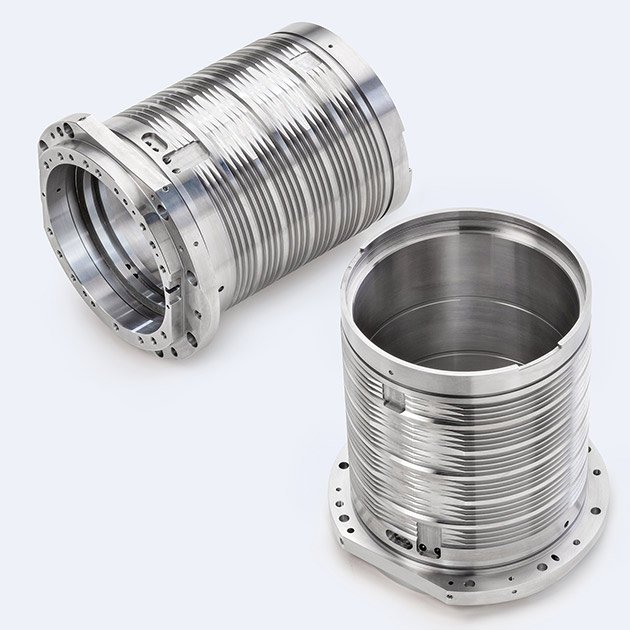
A supplier’s CNC machining capabilities and quality systems influence both cost and risk. Shops with ERP-integrated production control, tool-life tracking, and automated inspection reduce non-conformance rates and expedite throughput. Climate-controlled machining cells maintain dimensional stability for large structural parts. Multi-axis machining centers with high-speed spindles and through-spindle coolant improve cycle times for difficult materials.
Certification overhead—AS9100, NADCAP, or OEM-specific approvals—is embedded in overhead rates but signals process maturity. Suppliers without aerospace pedigree may quote lower hourly rates yet lack the documentation rigor, traceability, or corrective-action frameworks required by Tier 1 buyers. Cost comparison must weigh total landed cost, including rework risk and delivery reliability.
Cost-Driver Comparison for Aerospace Structural Parts
| Cost Variable | Impact on Quote | Mitigation Strategy |
|---|---|---|
| Titanium or Inconel material | High raw cost, tool wear | Near-net forgings, optimized feeds |
| 5-axis simultaneous machining | Higher machine-hour rate | Consolidate setups, reduce repositioning |
| Tight GD&T tolerances | Slower feeds, added inspection | Tolerance stack analysis, selective tightening |
| Low-volume prototype run | Setup cost per part is high | Group similar parts, plan volume ramp |
| Full FAI and traceability | Labor and documentation time | Pre-qualify supplier quality systems |
Design for Manufacturability and Cost Optimization
Early collaboration between design and manufacturing engineering reduces CNC machining aircraft structural components cost. Eliminating unnecessary tight tolerances, specifying standard hole sizes, and aligning features to preferred tool axes lower cycle time. Pocket depth-to-width ratios below 4:1 reduce tool deflection and allow faster material removal. Incorporating radii at internal corners extends tool life and avoids stress concentrations.
Prototyping with aluminum before committing to titanium validates geometry and toolpaths at lower cost. For projects in the design phase, consult DFM for aerospace titanium CNC machining to identify cost-reduction opportunities before production.
RFQ Best Practices for Transparent Quotation
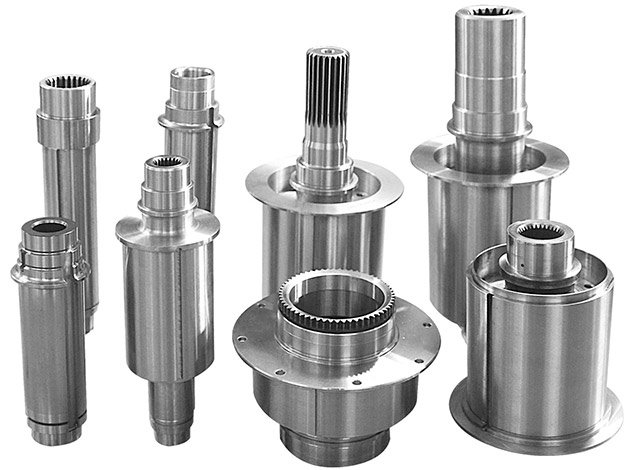
A complete request for quotation should include 3D CAD models, 2D drawings with GD&T callouts, material grade and certification requirements, target annual volume, first-article inspection expectations, and delivery schedule. Providing this information upfront enables suppliers to estimate tooling, fixturing, and inspection costs accurately. Requesting itemized quotes—material, machining, inspection, finishing—improves cost visibility and supports negotiation.
Comparing quotes across multiple suppliers requires consistent evaluation criteria: lead time, payment terms, quality history, and technical support capability. Lowest price rarely correlates with lowest total cost of ownership when rework, delays, or nonconformances are factored in. Building long-term supplier relationships with transparent cost models supports continuous improvement and volume-based pricing adjustments.
Quotation Checklist for Aerospace Structural Components
- Specify exact material grade, condition, and certification standard (AMS, ASTM)
- Provide complete GD&T drawings and 3D models in native or STEP format
- Define annual volume, prototype quantity, and production ramp schedule
- Clarify first-article inspection, in-process inspection, and final inspection requirements
- Request itemized cost breakdown: material, machining, tooling, inspection, finishing
- Confirm supplier quality certifications (AS9100, NADCAP) and audit readiness
- Establish payment terms, tooling ownership, and change-order process
Frequently Asked Questions
What drives the cost difference between 3-axis and 5-axis CNC machining for aircraft structural components?
5-axis machining centers carry higher capital costs, require more complex programming, and demand skilled operators, all reflected in elevated machine-hour rates. However, 5-axis capability consolidates setups, reduces fixturing complexity, and improves access to compound geometries, often lowering total cycle time. For parts with multiple angled features or deep pockets, 5-axis can reduce overall cost despite higher hourly rates by eliminating manual repositioning and improving surface finish.
How does material certification affect CNC machining aircraft structural components cost?
Aerospace-grade materials require mill test reports (MTR), chemical composition analysis, and mechanical property certifications traceable to heat lot. Certified stock costs 15-30% more than commercial equivalents due to testing, documentation, and supplier qualification overhead. Suppliers must maintain chain-of-custody records and provide material certifications with each shipment, adding administrative labor. This traceability is mandatory for AS9100 compliance and OEM acceptance.
Why do tight tolerances significantly increase machining costs for structural aircraft parts?
Achieving tolerances below ±0.05 mm requires slower cutting speeds, additional finishing passes, rigid fixturing, and temperature-controlled environments. Inspection time increases as CMM or laser scanning validates critical dimensions. Tool wear must be monitored closely, and tool changes occur more frequently to maintain precision. Tight tolerances also reduce process capability margins, raising scrap risk. Each of these factors adds time and labor to the manufacturing cycle.
How does production volume influence per-part cost for aerospace CNC machining?
Low-volume orders (under 50 units) allocate full programming, fixturing, and first-article costs across few parts, resulting in high per-unit expense. Mid-volume runs (100-500 units) distribute setup costs and enable process refinement, reducing per-part cost by 30-50%. High-volume production allows dedicated fixtures, optimized tool paths, and automated inspection, further lowering unit cost. However, aerospace structural components rarely achieve high-volume economies, so realistic batch planning is essential.
What should procurement teams evaluate beyond the quoted price for aerospace CNC machining?
Total cost includes rework risk, delivery reliability, quality system maturity, and technical support capability. Suppliers with AS9100 certification, documented process control, and aerospace experience reduce nonconformance rates and expedite problem resolution. Lead time predictability, payment flexibility, and change-order responsiveness affect program success. Evaluating quality history, audit results, and communication responsiveness provides insight into long-term partnership value beyond initial price.
How can design changes reduce CNC machining aircraft structural components cost without compromising performance?
Eliminating unnecessarily tight tolerances on non-critical features, specifying standard hole sizes, and aligning features to preferred machining axes reduce cycle time. Increasing pocket radii lowers tool stress and improves chip evacuation. Reducing wall thinness where structurally feasible decreases deflection and allows faster feeds. Early DFM reviews with manufacturing partners identify cost-saving geometry adjustments before production commitment, preserving function while improving manufacturability.
Conclusion
Understanding CNC machining aircraft structural components cost requires evaluating material specifications, geometric complexity, tolerance requirements, production volume, and supplier capability. Transparent quotation processes, supported by complete technical documentation and realistic volume forecasts, enable procurement teams to compare suppliers accurately and negotiate value-driven partnerships. By aligning design decisions with manufacturing constraints early in the development cycle, aerospace OEMs and Tier 1 suppliers reduce cost while maintaining the quality and traceability standards essential to aviation safety. For detailed quotations tailored to your project specifications, upload your drawings and receive an engineering-reviewed assessment within 24 hours.
Sources
- Mars Engineering. (2026). CNC Machining for Aerospace: Complete Guide & Best Practices. Retrieved from https://marseng.com/feeds/blog/aerospace-cnc-machining-v2
- Fictiv. CNC Machining for Aerospace: Everything You Need to Know. Retrieved from https://www.fictiv.com/articles/cnc-machining-for-aerospace