
- Shaft
- Molds&Tools
- Hydraulics And Pump
- Hair transplant needle
- Hydraulics And Pump
- Precision CNC Shaft Machining Manufacturer for High Performance Applications
- Energy Industry CNC Machining Parts Supplier
- Aerospace Structural Components for OEM Programs
- Aerospace Structural Components for OEM Programs
- Automotive & EV CNC Machining Parts Supplier for OEM and Tier 1
- Medical Device CNC Machining Services
Stainless Steel CNC Milling Buyer Guide: What OEM Teams Should Evaluate

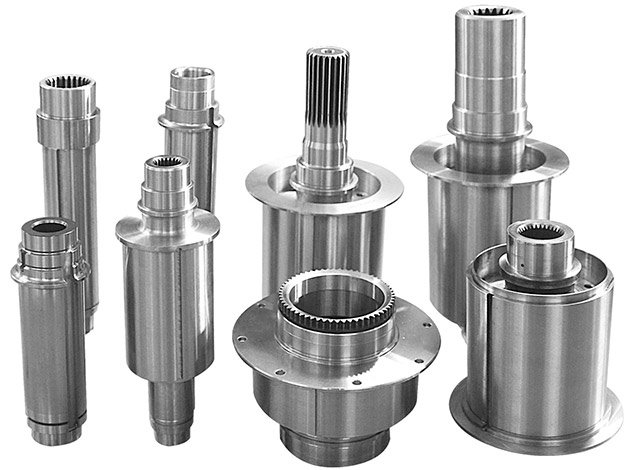
Stainless steel CNC milling produces precision mechanical components across aerospace, medical, food processing and marine applications. The material’s corrosion resistance and biocompatibility make it essential, but its work-hardening behavior, abrasive carbides and low thermal conductivity demand specific tooling, speeds and process controls. OEM engineering and procurement teams evaluating a stainless steel CNC milling partner face a technical trade-off: capability depth versus production cost and lead time stability.
Key answer: A qualified stainless steel CNC milling buyer guide helps teams compare suppliers on five dimensions: material grade experience (304, 316, 17-4 PH), tooling and coolant strategy for work-hardening alloys, tolerance verification protocols, batch traceability systems and scalability from prototype to volume. Shortlist partners who demonstrate process control evidence, not just machine lists, and who align batch size and lead time with your supply chain rhythm.
Why Stainless Steel CNC Milling Requires Specialized Process Knowledge
Stainless steel grades strain-harden rapidly under cutting pressure, creating tool wear and surface work-hardening that degrades tolerance stability across a batch. Austenitic grades like 304 and 316 exhibit low thermal conductivity, concentrating heat at the tool-chip interface and accelerating carbide edge breakdown. Martensitic and precipitation-hardening grades such as 17-4 PH add high hardness after heat treatment, requiring rigid machine structures and proven tool paths.
Suppliers experienced in multi-axis CNC solutions for tight-tolerance metal parts manage these challenges through controlled feeds, ceramic or coated carbide tooling, high-pressure coolant delivery and real-time spindle monitoring. Teams sourcing stainless components should verify that the shop has documented feeds, speeds and tool life data for the specific grade in the RFQ.
Five Critical Evaluation Criteria for Stainless Steel CNC Milling Suppliers
1. Material Grade Experience and Heat Treatment Integration
Different stainless families behave differently under milling. Austenitic 300-series machines well in the annealed state but work-hardens aggressively. Martensitic 400-series and precipitation-hardening 17-4 PH require solution annealing, aging and sometimes cryogenic treatment between roughing and finishing operations. Ask suppliers:
- Which stainless grades they mill regularly and at what annual tonnage
- Whether heat treatment is in-house or subcontracted, and how batch traceability is maintained
- How they sequence rough and finish milling around heat treatment cycles
- What material certifications and mill test reports they provide with each shipment
Suppliers serving aerospace CNC machining or medical device manufacturing typically maintain stricter material traceability and heat treatment documentation than general job shops.
2. Tooling Strategy and Coolant Delivery for Work-Hardening Alloys
Effective stainless milling requires sharp, positive-rake tooling with chip-breaking geometries, coated carbide or ceramic inserts and through-spindle or high-pressure coolant to evacuate heat and chips from deep pockets. Dull tools or insufficient coolant cause work-hardening, dimensional drift and poor surface finish.
Request details on:
- Insert grades and coatings used for austenitic versus martensitic stainless
- Coolant pressure, concentration monitoring and filtration cycles
- Tool life tracking and automatic tool offset compensation systems
- How the shop detects and responds to unexpected tool wear mid-batch
3. Tolerance Verification and In-Process Inspection
Stainless steel’s thermal expansion and work-hardening tendencies make in-process inspection essential for batches above 50 pieces. Reliable suppliers measure critical features during the run, not only at final inspection, and adjust offsets before tolerance drift occurs.
Evaluate:
- CMM availability, calibration intervals and measurement uncertainty budgets
- Use of SPC charting for key dimensions across production batches
- First-article inspection (FAI) documentation and change control protocols
- Whether the shop can provide dimensional reports in AS9102, PPAP or custom formats
Teams requiring sub-0.02 mm tolerances should review complex pocket CNC milling tolerances and ask for capability studies (Cpk data) on similar stainless parts.
4. Batch Traceability and ERP-Controlled Manufacturing
Medical, aerospace and food-contact applications require full material and process traceability from raw material heat lot through final inspection. Suppliers with integrated ERP and quality management systems link each operation, tool change, inspection result and heat treatment cycle to a unique batch or serial number.
Confirm that the supplier can:
- Trace every part back to the original mill test report and heat treatment certificate
- Provide time-stamped operation records and operator identification
- Segregate and control nonconforming material to prevent mixing
- Support customer audits and supply chain compliance reviews
5. Scalability from Prototype to Volume Production
Prototype quantities of 5-20 parts often use manual setups and 3-axis machining, while production runs above 500 pieces justify dedicated fixtures, multi-axis simultaneous milling and automated inspection. A capable partner scales tooling investment, cycle time optimization and quality documentation as your volume grows, without forcing you to re-source.
Ask about:
- Minimum and maximum batch sizes the shop handles economically
- Transition process from NRE quoting to recurring production pricing
- Capacity planning and lead time predictability during demand spikes
- How the supplier manages design changes and ECOs across active production
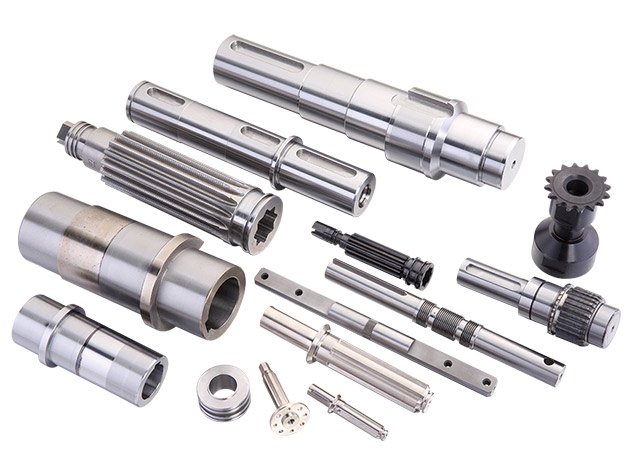
Decision Framework: Matching Supplier Capability to Your Component Requirements
Not every stainless steel CNC milling shop suits every application. Use this framework to align supplier strengths with your component’s criticality, volume and regulatory environment.
| Component Profile | Recommended Supplier Attributes | Red Flags to Avoid |
|---|---|---|
| Prototype or low-volume (<100 pcs), non-critical function | Flexible quoting, fast turnaround, 3-axis capability, basic CMM inspection | High NRE charges, long lead times, no material certs |
| Medium-volume (100-1000 pcs), ±0.05 mm tolerances, commercial application | ERP-controlled production, SPC tracking, in-house heat treatment or qualified subcontractor, ISO 9001 | Manual scheduling, no process documentation, inconsistent lead times |
| High-volume (>1000 pcs), tight tolerances (±0.02 mm), regulated industry | AS9100 or ISO 13485, full traceability, Cpk data, multi-axis machining, automated inspection, design-for-manufacturing support | No capability studies, limited inspection equipment, resistance to customer audits |
For milled stainless components in automotive powertrains, robotics actuators or hydraulic manifolds, review tight tolerance CNC milling buyer guides for additional evaluation criteria on fixture design and thermal stability.
Practical Shortlist and RFQ Checklist
Use this checklist when requesting quotes and technical proposals:
- Request material certifications (mill test reports) and heat treatment procedures for your specific stainless grade
- Ask for recent dimensional inspection reports on similar parts, including Cpk or process capability data
- Confirm coolant type, pressure and chip evacuation strategy for deep-pocket or complex geometries
- Verify in-process inspection frequency and SPC methods for production batches
- Request lead time breakdown: material procurement, machining, heat treatment, inspection and packaging
- Clarify NRE costs (fixtures, programming, FAI) and when these are amortized into piece price
- Confirm change order process and cost impact for mid-production design revisions
- Ask how the supplier handles nonconformance, rework authorization and corrective action documentation
When you are ready to request a detailed technical proposal, upload your drawings for a comprehensive quote that includes material traceability, process control plans and inspection documentation.
Frequently Asked Questions
What is the most important factor when selecting a stainless steel CNC milling supplier?
Process control evidence outweighs machine count. A supplier who provides documented feeds, speeds, tool life data, SPC charts and Cpk studies for your specific stainless grade demonstrates repeatable capability. Machine lists and certifications matter, but real process knowledge prevents costly rework and delays.
How do I verify a supplier’s experience with austenitic stainless grades like 316?
Request recent inspection reports, material certifications and photos of completed 316 parts. Ask specific questions about coolant strategy, tool coatings and how they prevent work-hardening in deep pockets. Experienced suppliers will discuss chip control, surface finish challenges and heat management without hesitation.
Should I prioritize in-house heat treatment or accept subcontracted processing?
In-house heat treatment offers better lead time control and traceability, but qualified subcontractors are acceptable if the supplier maintains strict batch tracking, furnace certifications and documented handoff protocols. Verify that heat treatment certificates link to your part serial numbers and that the supplier audits their subcontractor regularly.
What tolerances are realistic for milled stainless steel pockets and bores?
On 3-axis machines with rigid setups and controlled thermal conditions, ±0.025 mm is achievable for small features. Larger pockets and deep bores may require ±0.05 mm unless multi-axis machining and in-process probing are used. Always request capability data for your specific geometry rather than accepting generic tolerance claims.
How do I compare NRE and piece-price proposals from multiple suppliers?
Separate NRE (fixtures, programming, FAI) from recurring piece price, and ask when NRE is fully amortized. Clarify whether piece price includes material certification, inspection reports and packaging. A lower piece price with high NRE may cost more over a 12-month program than a higher piece price with lower upfront investment.
What documentation should I expect with each stainless steel CNC milling batch?
At minimum: material certifications (mill test reports), dimensional inspection reports with measured values for critical features, heat treatment certificates if applicable, and certificates of conformance. Regulated industries require first-article inspection reports (AS9102, PPAP) and full traceability from raw material heat lot through final inspection.
Conclusion
A thorough stainless steel CNC milling buyer guide evaluation balances technical capability, process control rigor and supply chain fit. Shortlist suppliers who provide evidence of grade-specific machining knowledge, in-process inspection protocols, batch traceability systems and scalable capacity aligned with your production roadmap. Avoid selecting based solely on machine lists or certifications; demand dimensional data, capability studies and transparent NRE and piece-price breakdowns. By focusing on process control and documented capability, OEM teams reduce rework risk, shorten qualification cycles and build resilient long-term manufacturing partnerships.
Sources
- KMW CNC. “Stainless Steel CNC Machining: Complete Guide for OEM Buyers.” kmwcnc.com, July 27, 2026. https://kmwcnc.com/stainless-steel-cnc-machining/
- PartsBadger. “CNC Machining Guide.” parts-badger.com. https://parts-badger.com/article/cnc-machining-guide/