
- Shaft
- Molds&Tools
- Hydraulics And Pump
- Hair transplant needle
- Hydraulics And Pump
- Precision CNC Shaft Machining Manufacturer for High Performance Applications
- Energy Industry CNC Machining Parts Supplier
- Aerospace Structural Components for OEM Programs
- Aerospace Structural Components for OEM Programs
- Automotive & EV CNC Machining Parts Supplier for OEM and Tier 1
- Medical Device CNC Machining Services
Precision Grinding Services Cost: The Variables Behind a Reliable Quote


When sourcing precision grinding services, the cost rarely follows a simple per-part formula. Quotations reflect setup complexity, material behavior, tolerance demands, and the inspection rigor required to validate surface finish, roundness, and bore accuracy. Understanding these variables helps procurement teams interpret quotes accurately and align specifications with budget expectations.
Key answer: Precision grinding services cost depends on grinding method (surface, cylindrical, centerless, or ID/OD), material hardness, dimensional tolerances, surface finish requirements, batch size, and inspection protocols. Setup-intensive operations like bore grinding or jobs demanding sub-micron roundness add significant cost. Suppliers price based on cycle time, wheel wear, fixture preparation, and the measurement equipment needed to certify each dimension.
Core Cost Drivers in Precision Grinding Services
Every grinding quote balances machine time, consumables, and quality assurance. The primary variables include:
- Grinding process type: Surface grinding typically carries lower setup costs than cylindrical or internal grinding. Centerless grinding offers economy at volume but requires dedicated fixturing.
- Material and hardness: Hardened tool steels, ceramics, and carbides accelerate wheel wear and extend cycle times, directly increasing cost per part.
- Dimensional tolerances: Holding ±0.005 mm or tighter requires multiple passes, in-process measurement, and climate-controlled environments.
- Surface finish specification: Achieving Ra 0.2 μm or better demands fine-grit wheels, slower feeds, and additional finishing passes.
- Feature complexity: Parts with multiple ground surfaces, shoulders, or interrupted geometries require wheel dressing, repositioning, and extended setup.
- Batch size: Setup costs (fixture preparation, wheel selection, first-article inspection) are amortized across production volume. Small batches carry higher per-piece costs.
These factors interact: a simple surface grind on soft steel at moderate tolerance is economical, while a hydraulic pump component with internal bores, Ra 0.1 μm finish, and roundness under 2 μm demands specialized equipment and extended cycle time.
How Tolerance and Surface Finish Requirements Scale Cost
Tolerances below ±0.01 mm and surface finishes finer than Ra 0.4 μm require slower material removal rates, precision wheel maintenance, and often multiple grinding stages. Each tightening step increases both cycle time and the risk of rework.
| Specification Level | Typical Impact on Cost | Process Implications |
|---|---|---|
| Standard tolerances (±0.02 mm), Ra 0.8 μm | Baseline | Single-pass or two-pass grinding, standard wheels |
| Precision tolerances (±0.005 mm), Ra 0.4 μm | 1.5–2× baseline | Multi-pass grinding, frequent wheel dressing, in-process gauging |
| Ultra-precision (±0.002 mm), Ra 0.1 μm, roundness <2 μm | 3–5× baseline | Thermal stability, fine-grit wheels, metrology-grade inspection |
OEM teams should specify the tightest tolerance and finest finish only where function demands it. Over-specifying these parameters inflates cost without performance gain.
Setup, Fixturing, and Batch Economics
Setup activities—wheel mounting, dressing, fixture alignment, and first-article verification—represent fixed costs per job. For a batch of five parts, setup may account for 60–70% of total cost; for 500 parts, setup drops to 5–10%.
Fixturing complexity also matters. Standard magnetic chucks or collet fixtures add minimal cost, while custom fixtures for asymmetric geometries or multi-station setups require design, fabrication, and validation time. Centerless grinding eliminates work-holding entirely for cylindrical parts, reducing setup overhead at higher volumes.
Effective cost management starts during the RFQ phase: share CAD models, surface finish callouts, inspection requirements, and anticipated annual volume. Suppliers can then recommend the most economical grinding method and identify tolerance zones that drive cost.
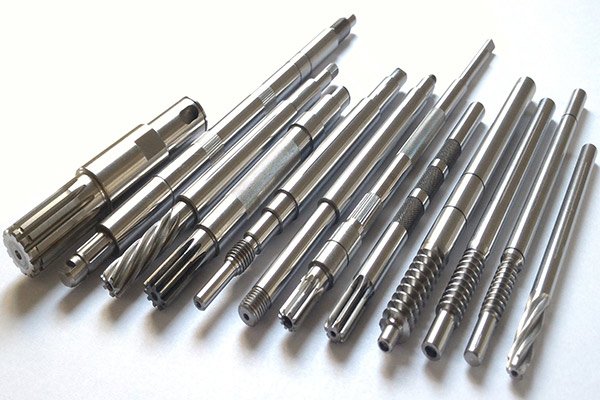
Inspection and Certification Requirements
Validating ground dimensions requires measurement equipment matched to the specified tolerance. Surface finish is typically measured with contact profilometers; roundness and cylindricity with dedicated form-measuring instruments. When specifications call for certified inspection reports, the cost includes instrument calibration, measurement time, and documentation.
For applications in aerospace or medical sectors, suppliers may need to provide first-article inspection reports (FAIR), material certifications, and traceability. These quality assurance activities add 10–25% to the base grinding cost but are non-negotiable for aerospace components or regulated devices.
Material Removal Volume and Cycle Time
Grinding is a finishing process, not a roughing operation. Parts arriving with excess stock—more than 0.5 mm per side—require longer cycle times and accelerated wheel wear. Pre-machining by turning, milling, or heat treatment to near-net shape reduces grinding cost significantly.
Hardness also governs removal rate. Grinding annealed steel at 200 HB proceeds faster than grinding the same alloy hardened to 60 HRC. Ceramic and carbide materials, while grindable, demand specialized diamond or CBN wheels and slower feeds, increasing consumable cost per part.
Trade-Offs Between Grinding Methods
Choosing the right grinding process affects both cost and lead time. Surface grinding suits flat components and parallel faces. Cylindrical grinding handles shafts, pins, and rotating parts with OD or ID features. Centerless grinding excels at high-volume bar stock or simple cylinders. Internal grinding addresses bores and blind holes but requires specialized tooling and longer setup.
For prototype or low-volume work, surface and cylindrical grinding offer flexibility. For production runs above 100 pieces, centerless grinding often delivers the lowest per-part cost, provided geometry permits. Discussing process alternatives with the supplier during quoting can reveal cost-saving opportunities without compromising function.
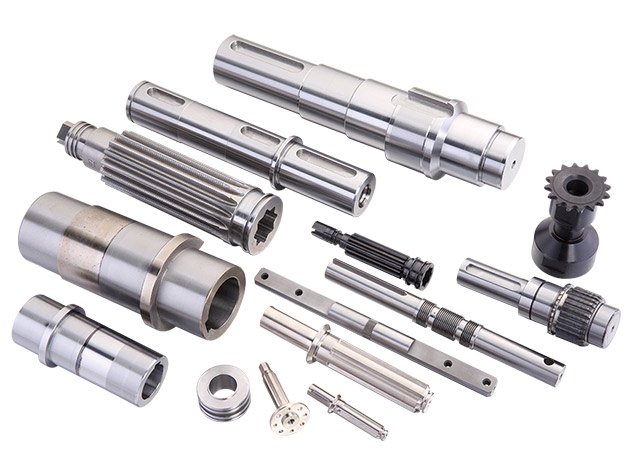
Practical Checklist for Cost-Effective Precision Grinding Procurement
- Specify tolerances and surface finish only where functionally necessary; avoid blanket callouts.
- Provide near-net-shape parts with minimal grinding stock (0.2–0.5 mm).
- Share expected annual volume to enable batch-optimized quoting and process selection.
- Clarify inspection requirements: visual check, dimensional report, or certified FAIR.
- Request material and hardness recommendations during the design phase to minimize wheel wear.
- Evaluate supplier capability in the relevant grinding method (surface, cylindrical, centerless, ID/OD).
- Ask for cost breakdowns by setup, cycle time, and inspection to identify optimization levers.
Frequently Asked Questions
What is the biggest cost factor in precision grinding services?
Setup and fixturing often dominate low-volume orders, while cycle time and wheel wear drive cost at higher volumes. Tight tolerances and fine surface finishes extend cycle time and require more frequent wheel dressing, compounding both labor and consumable expenses. Batch size is the most effective lever for reducing per-part cost in most scenarios.
How does material hardness affect precision grinding services cost?
Harder materials slow material removal rates and accelerate grinding wheel wear. Hardened steels above 55 HRC, ceramics, and carbides require diamond or CBN wheels, which cost more and must be replaced or dressed more frequently. Suppliers typically quote hardened materials at 1.5–3× the cost of softer alloys, depending on the grinding process and finish required.
Can I reduce cost by relaxing surface finish or tolerance slightly?
Yes. Relaxing Ra from 0.2 μm to 0.4 μm or tolerance from ±0.005 mm to ±0.01 mm can cut cycle time by 30–50% and reduce inspection overhead. Review functional requirements with your design team: many assemblies perform identically with moderate tolerances, and over-specification is a common source of unnecessary cost.
Why do precision grinding quotes vary widely between suppliers?
Suppliers differ in equipment capability, fixturing inventory, volume efficiency, and quality systems. A shop with dedicated centerless grinders will quote high-volume cylindrical work more competitively than a general job shop. Geographic location, labor rates, and whether the supplier must subcontract inspection also influence pricing. Always request quotes from at least two suppliers with demonstrated experience in your grinding method and material.
What information should I include in an RFQ for precision grinding services?
Provide a complete 2D or 3D drawing with GD&T callouts, material specification, hardness range, surface finish requirements, critical dimensions, and inspection level (dimensional report, FAIR, or visual). Include estimated annual volume, preferred delivery schedule, and whether you will supply pre-machined blanks or require full material supply. Clear documentation reduces quoting time and improves accuracy.
How does batch size influence the quoted price per part?
Setup costs—fixture preparation, wheel mounting, first-article inspection—are fixed per job. For a batch of ten parts, setup may represent 50% of the invoice; for 1,000 parts, setup becomes negligible. Per-part cost drops steeply as volume increases, particularly for centerless and cylindrical grinding where automated loading is feasible. Consolidating orders into larger batches or annual blanket POs typically yields 20–40% cost reduction.
Sources
For a detailed quotation tailored to your project, upload your drawings and our engineering team will respond within 24 hours.